The argument stops moving
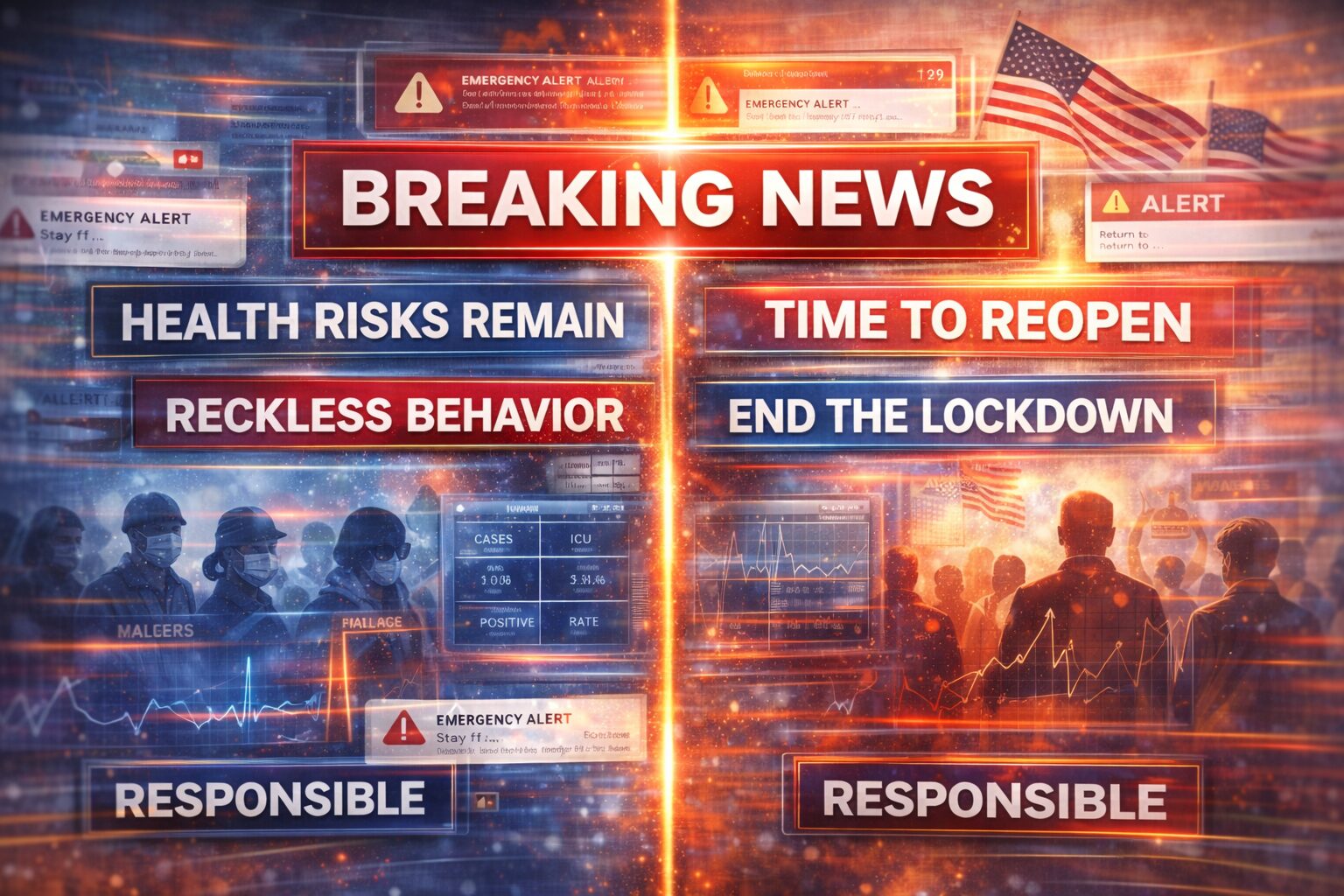
By July, debate no longer feels provisional. Positions harden. What were once temporary stances begin to look like identities.
The sense that everyone is responding to the same unfolding event weakens. Instead, competing interpretations of reality settle in place. People are no longer arguing about what might happen next, but about what is already true.
The crisis has stopped being shared in the same way.
Fatigue reshapes judgment
Exhaustion becomes a political force. Patience thins. Nuance feels expensive. The appetite for compromise fades, not because disagreement is resolved, but because the effort to maintain it feels unsustainable.
Risk tolerance diverges sharply. What feels reckless to one group feels necessary to another. These differences are no longer framed as circumstantial. They are moralized.
The result is less persuasion, more sorting.
Institutions mirror the fracture
Governments and public agencies reflect the same divisions playing out in public life. Rules vary widely by region. Messaging shifts tone depending on audience. Enforcement becomes uneven.
Consistency is sacrificed for compliance. Clarity gives way to signaling.
This does not restore trust. It redistributes it.
Expertise becomes positional
Scientific guidance remains present, but its role changes. Data is no longer just interpreted differently; it is cited selectively. Authority fragments into camps, each appealing to its own version of evidence and urgency.
Expertise does not disappear, but it becomes aligned.
Once that happens, disagreement about facts becomes indistinguishable from disagreement about values.
The future narrows
Earlier months were defined by uncertainty about outcomes. July is defined by certainty about disagreement. The range of acceptable answers contracts. The possibility of broad consensus feels remote.
What remains is a sense that whatever comes next will not be collectively owned.
The question is no longer how society moves forward together, but how much separation it can absorb.
A quieter kind of instability
There are fewer sudden shocks in July. The instability is slower, structural, and harder to reverse. It lives in habits, expectations, and social distance.
This is not the end of the crisis. It is the point at which it begins to organize people permanently.
Leave a Reply