

Two voices.
One national nervous system.
Essays about power, incentives, and what we’re being trained to tolerate.
E. H. Mercer on institutions and precedent.
Cass Wilder on media, incentives, and the feed.
Politiglue is an editorial project about what politics does to people.
Not just policy. Not just personalities. Incentives, institutions, and the permission structures that make bad behaviour feel normal.
We argue clearly. We keep standards. We do not confuse neutrality theatre with fairness.
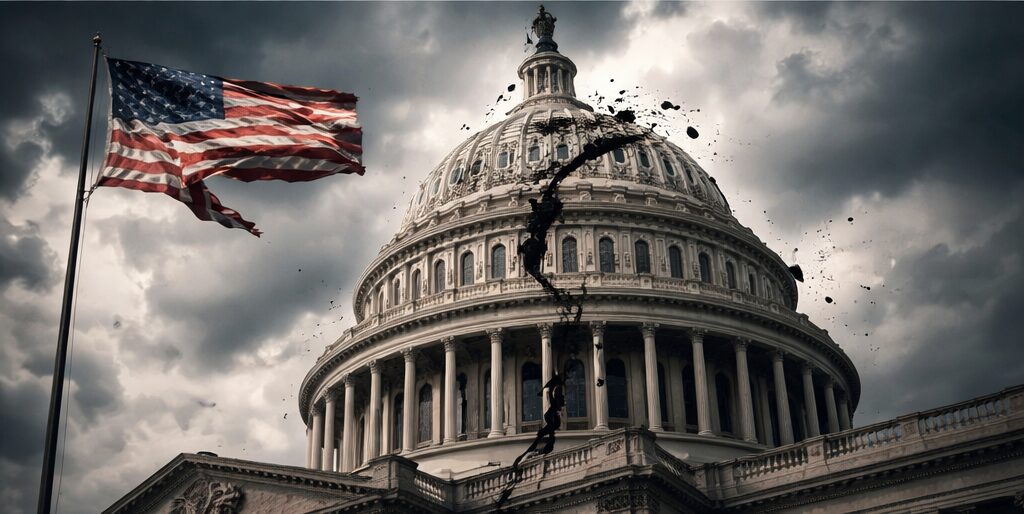
No neutrality theatre
Fairness isn’t “both sides,” it’s intellectual honesty.
Read by Voice

For context and connection
Politiglue articles attributed to Politiglue are written in a shared editorial voice. They reflect collaborative research, internal review, and a commitment to clarity over commentary.
-

The Rules Harden Quietly
By August 2020, emergency measures no longer feel temporary. Rules harden, enforcement becomes uneven, and governance shifts quietly from persuasion to administration.




For institutions and norms
E. H. Mercer writes about politics the way a structural engineer looks at a bridge: not impressed by the paint, deeply concerned about the load-bearing beams. He focuses on institutions under stress, the quiet power of precedent, and the small permissions that turn “unthinkable” into “normal.”
Mercer isn’t here for daily outrage. He’s here for cause and effect. His essays track how norms erode, how accountability gets rebranded as “partisan,” and how a republic becomes brittle when standards are applied only to the other side.
-
This Was a Choice
The excuses are gone The excuses are gone, by now, reopening without redesign isn’t confusion or improvisation. It is policy. What is happening now is no longer confusion or shock or improvisation. It is not the fog of an unprecedented moment. We know…



For media and incentives
Cass Wilder writes about politics as an interface: what the feed rewards, what it punishes, and how attention gets shaped long before anyone reaches a ballot box. She follows the incentives behind modern public life, where outrage outperforms nuance and certainty travels faster than facts.
Wilder is interested in the machinery more than the personalities. She maps how narratives spread, how identity becomes performance, and how “permanent emergency” turns citizens into spectators. If you’ve ever felt your mood change after five minutes online, she’s writing about the system that did that.
-
Trust Ships in Boxes
The Postal Service isn’t just delivery. It’s legitimacy. The story being told this month is that the fight is over mail-in ballots. That is true, but incomplete. The deeper fight is over whether the country can still run a basic system without turning…


How we write
This is the house style. Clear targets, clear stakes, minimal fluff.
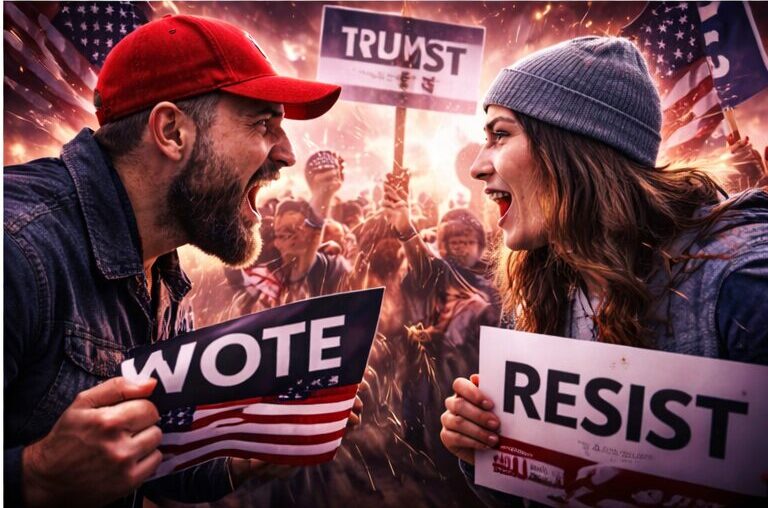
Standards over slogans
If it can’t survive scrutiny, it doesn’t get published.

Opinions with receipts
Strong POV, anchored in reality.

Contempt is cheap
We prefer argument to performance.
What you’ll get here
Arguments you can disagree with, but can’t ignore.
Clear arguments, not vibes
We pick a claim and defend it.
Minimal fluff
No filler, no corporate throat-clearing.
Two consistent voices
Two lenses, same standards.
No talking down
Writing that assumes readers can handle complexity.
What we track
The lanes we cover. Not to “drive dialogue,” but to name incentives and consequences.


Institutions under stress
What breaks first when norms become optional.

Media as a machine
What outrage is for, and who profits from it.

Elections and permission
How campaigns reshape what people will tolerate.

Civic habits
How we talk, what we excuse, what becomes precedent.