There is a strange confidence in the air right now. Not optimism exactly, but something adjacent to it. A belief that the act of stopping has done the work that rebuilding usually requires.
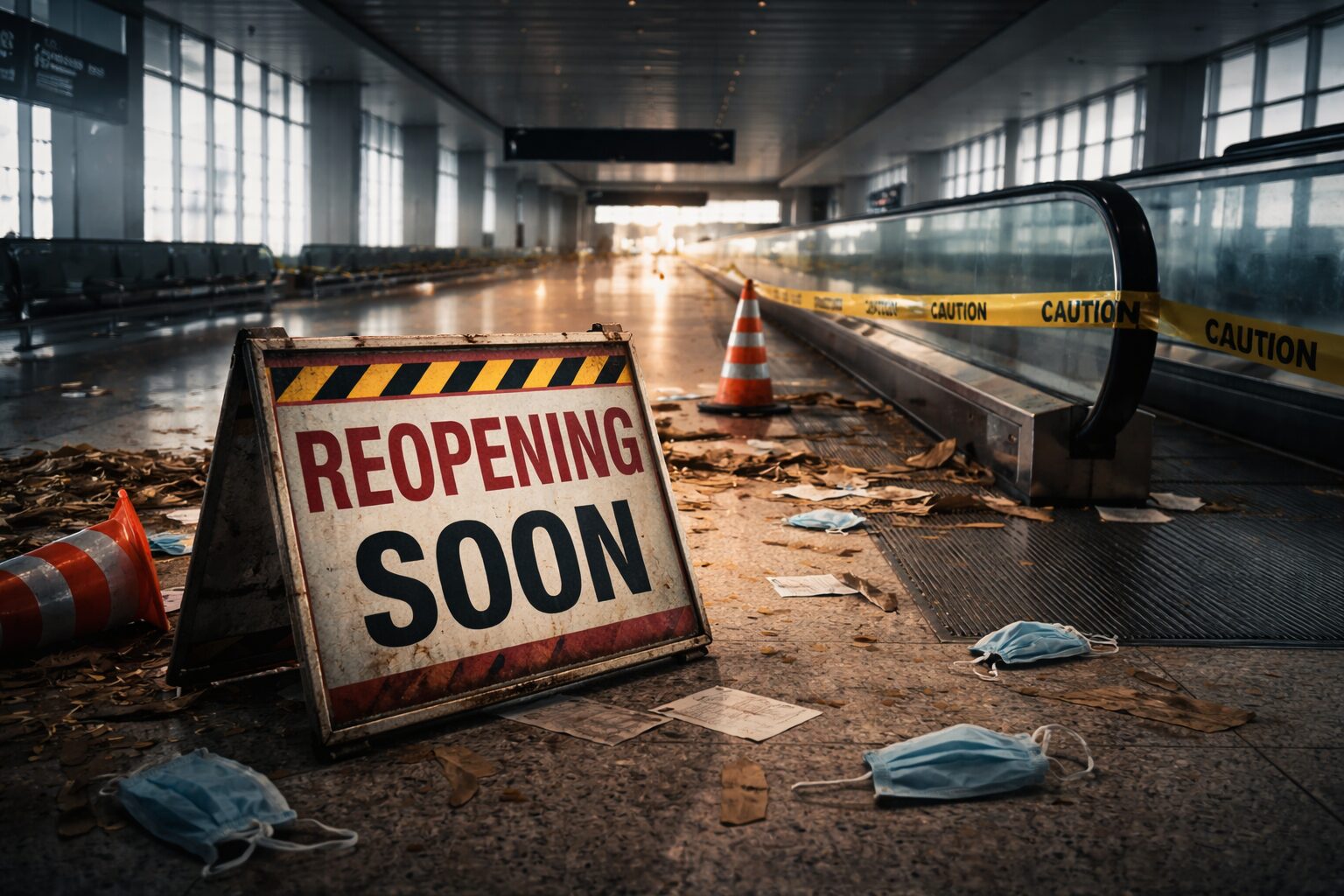
We have paused travel, paused offices, paused schools, paused routines that once felt immovable. The world slowed down so quickly that it created the illusion of control. As if pulling the emergency brake were the same thing as fixing the tracks.
It is not.
What we are experiencing is not recovery. It is suspension.
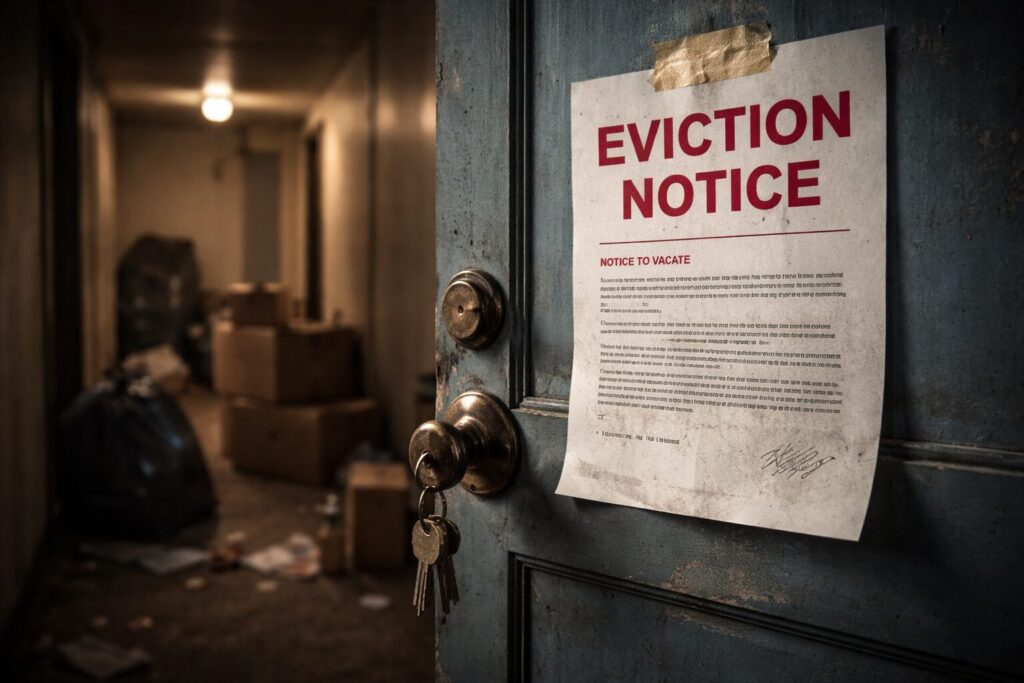
The systems we rely on have not been redesigned or reconsidered. They have been held in place by temporary measures and good faith. Rent is deferred, not forgiven. Deadlines are extended, not reimagined. Governments speak in the language of bridges, as if we are only crossing a gap rather than standing above a fault line.
The pause has revealed fragility, but revelation alone does not strengthen anything.
If anything, the pause has exposed how little slack the system had to begin with. How many people were already one missed paycheque from collapse. How many institutions function only when every part operates at full speed, without interruption, without error, without mercy.
This was never a resilient design.
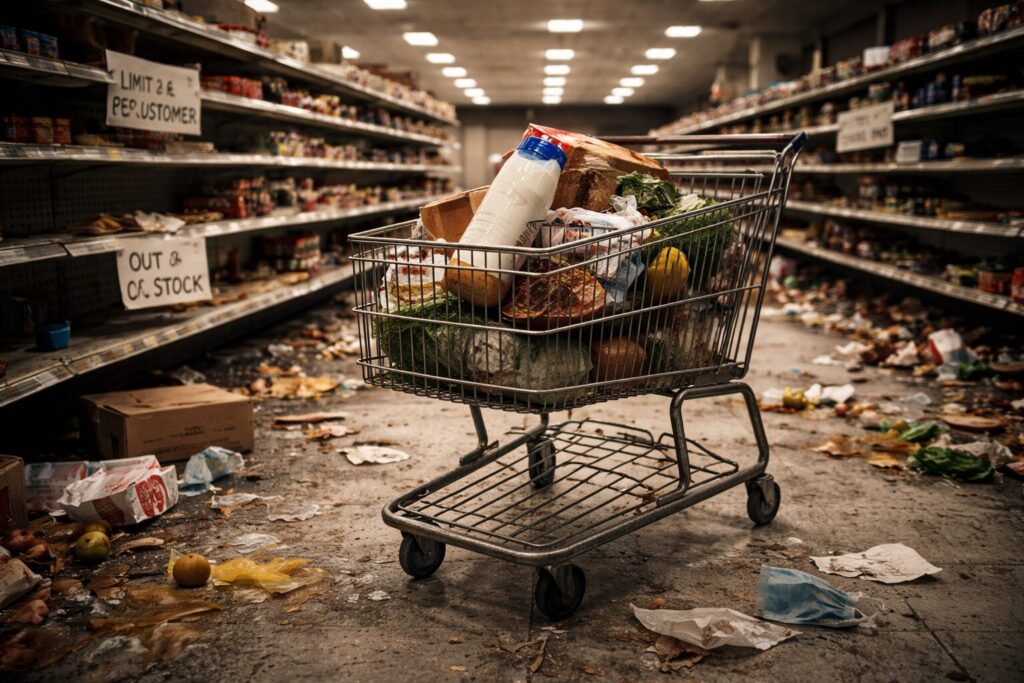
In public discourse, there is a growing impatience with stillness. A desire to get back to normal, as if normal were a destination rather than a warning sign. The language is revealing. We do not hear calls to return to better, only to return to before.
Before the slowdown.
Before the reckoning.
Before we had to see the machinery clearly.
But the machinery has not changed during this pause. It has simply been quieted.
The same incentives remain in place. The same pressures are waiting. The same timelines are merely postponed, stacking on top of one another like unpaid bills. When movement resumes, it will not resume gently. It will snap back with compounded force.
There is also a dangerous emotional accounting happening. A sense that collective hardship has already been endured, that the suffering box has been checked. As if discomfort itself were the reform.
It is tempting to believe that awareness equals action. That having seen the cracks is enough to prevent collapse. History suggests otherwise.
Systems do not fail because people are unaware. They fail because awareness is inconvenient, expensive, and destabilizing to those who benefit from the current shape of things.
The pause feels meaningful because it is unprecedented in our lifetime. But precedent is not the same as progress. A moment can be historic without being transformative.
What worries me most is not that we will forget this period, but that we will remember it incorrectly. That we will tell ourselves the story of a crisis weathered, rather than a warning ignored. That we will confuse survival with learning.
When the world starts moving again, many will interpret motion itself as success. The return of noise will feel like relief. The return of schedules will feel like safety. The return of consumption will feel like stability.
None of those feelings are guarantees.
A pause is only useful if it changes what comes next. Otherwise, it is just the calm that allows pressure to redistribute more evenly before the next failure.
And right now, all signs suggest we are preparing to resume, not to repair.
Leave a Reply