Tag: public health
-

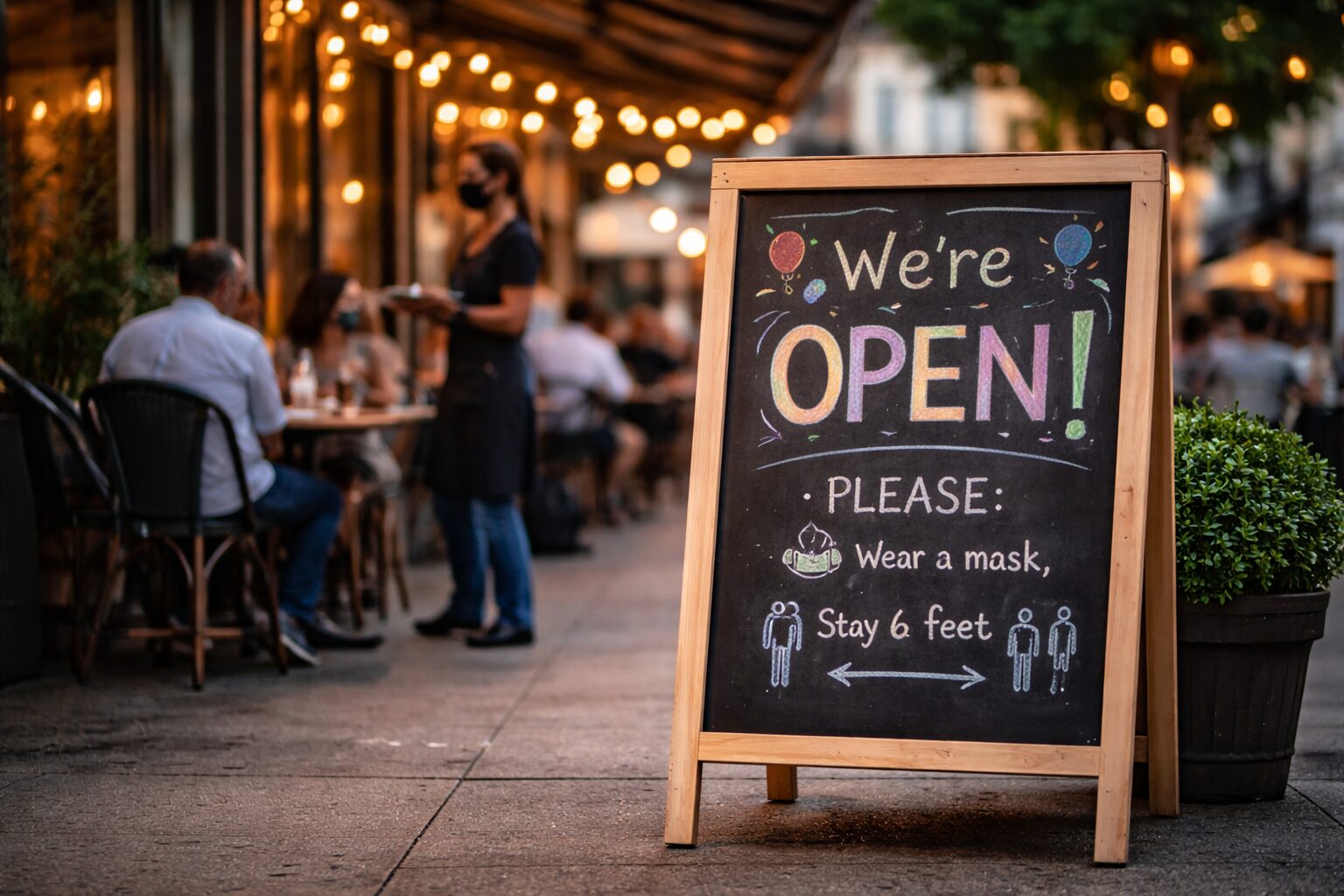
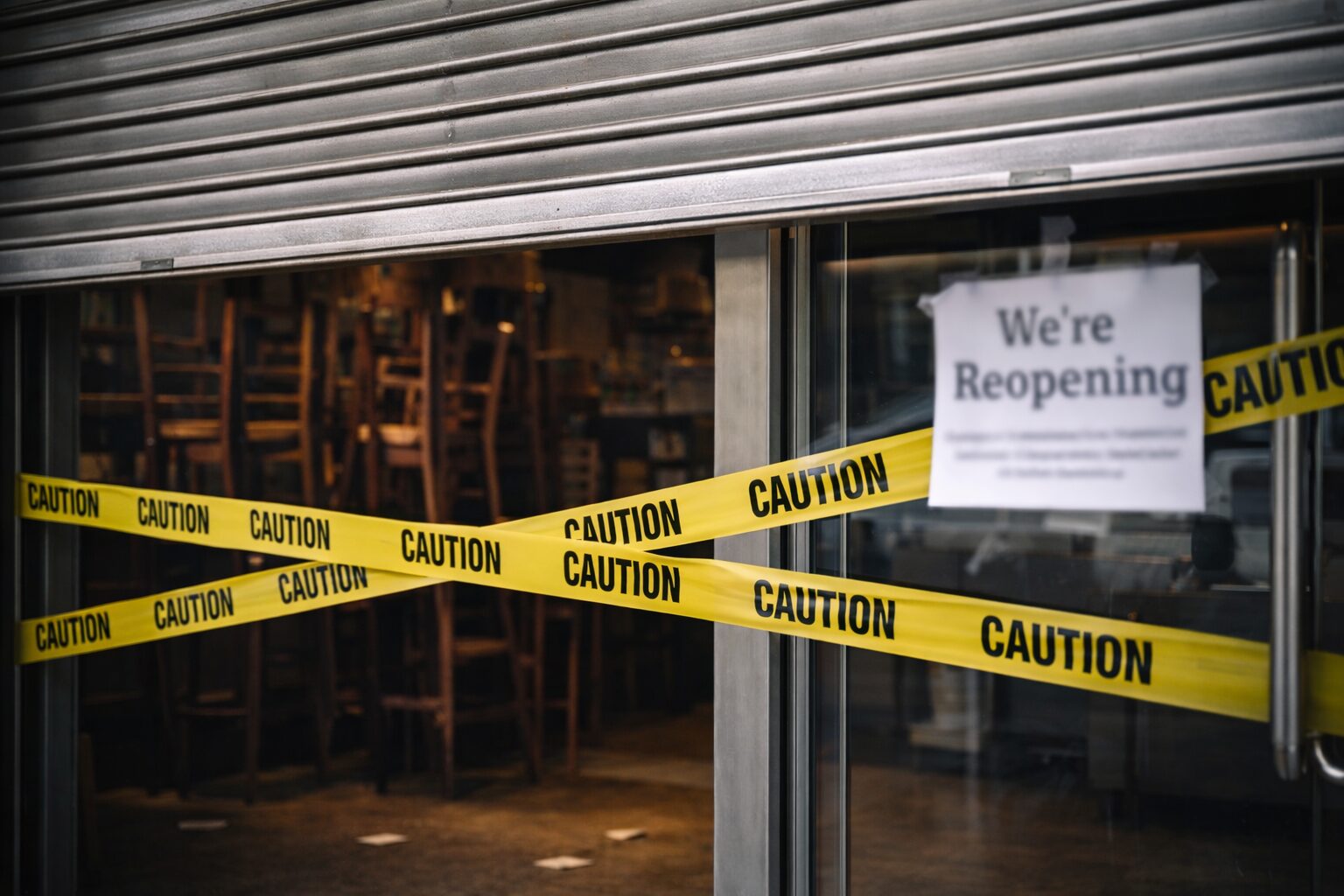
May 2020 didn’t just reopen businesses, it staged a declaration: we’re done with this. But reopening became symbols and vibes instead of systems, pushing enforcement downhill to the lowest-paid workers and turning public health into identity theatre. A performance asks you to believe. A plan asks you to trust, and trust has to be earned.
-
The push to reopen is real, and so is the pain behind it. But reopening is not a switch. It is an allocation of risk, and without repair, it becomes a transfer of burden onto the least protected. Rules that aren’t enforced become theatre, trust becomes the second casualty, and “freedom” turns into a slogan…
-
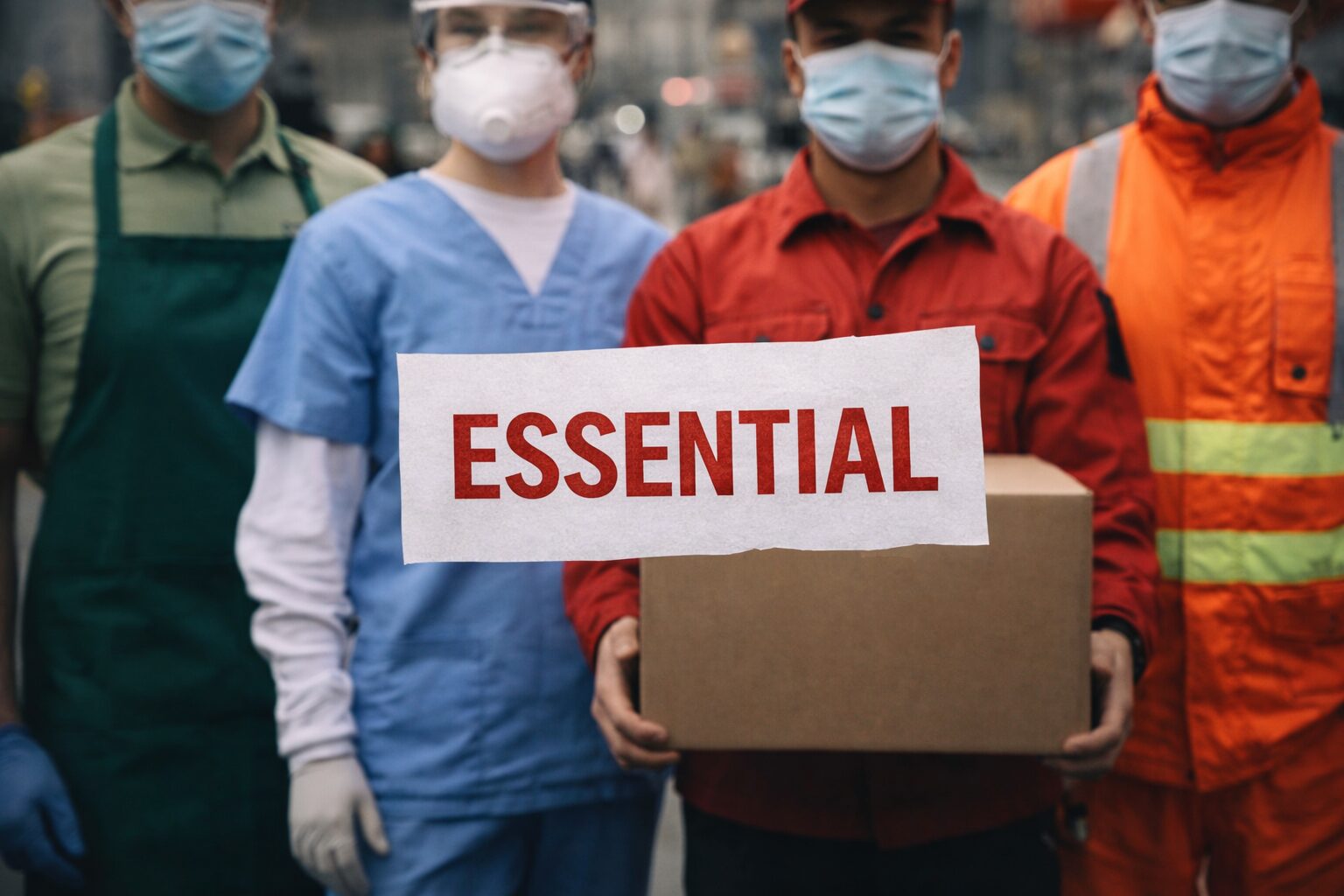
April 2020 turned “essential” into a badge, but too often it functioned as camouflage. Praise and applause can’t substitute for protection, pay, and enforceable safety. The pandemic didn’t invent inequality, it made it impossible to ignore, drawing a brutal line between who gets to stay home and who is expected to
-
March 2020 forced reality back onto the screen, but the feed still tried to turn it into content. The curve is not a metaphor, the clip is not leadership, and the click is not control. In a crisis measured in bodies and time, the real test is whether we can build an information culture that…
-
March 2020 is a stress test, not only of hospitals and supply chains, but of the democratic habits that keep power accountable when fear is in the air. Emergencies expand authority, fracture trust, and tempt leaders to treat transparency as optional. A republic can survive quarantine. The question is whether its standards can.
-
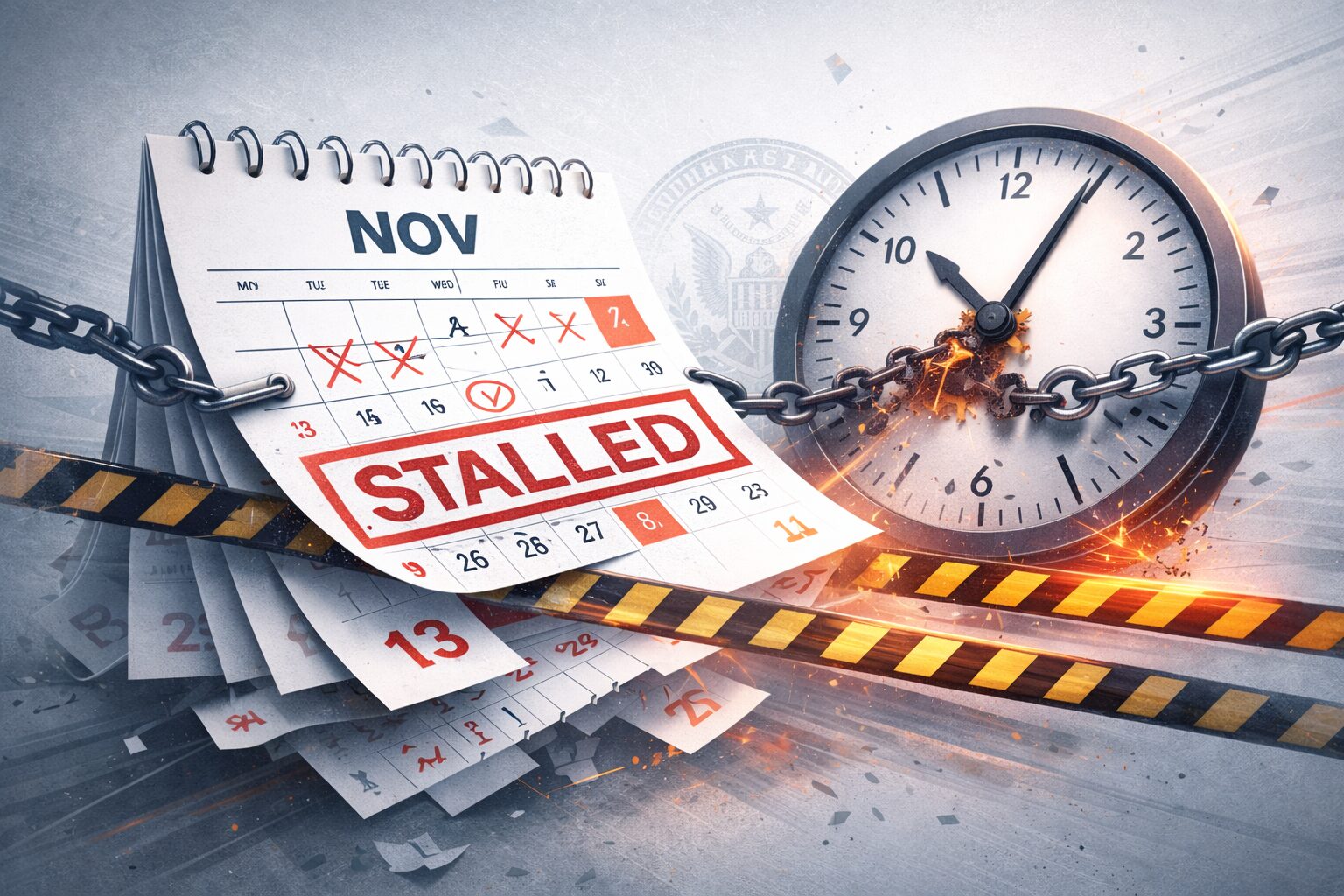
An explainer on why political systems felt increasingly slow and unresponsive in late 2019, and how institutional drag shaped public trust before crisis hit.