-

Trust Ships in Boxes

The Postal Service isn’t just delivery. It’s legitimacy. The story being told this month is that the fight is over mail-in ballots. That is true, but incomplete. The deeper fight is over whether the country can still run a basic…
-
The Great Reopening Performance
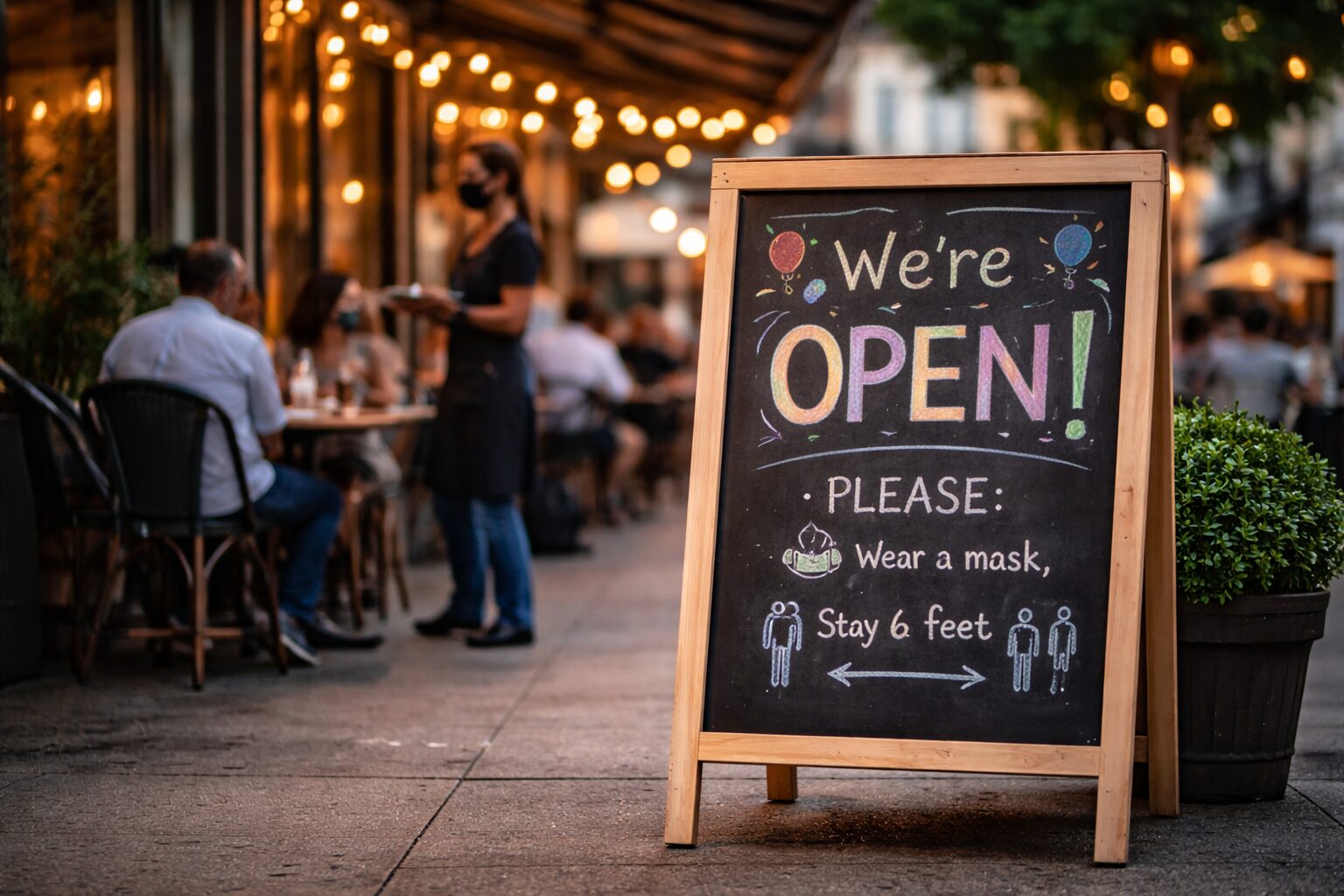
May 2020 didn’t just reopen businesses, it staged a declaration: we’re done with this. But reopening became symbols and vibes instead of systems, pushing enforcement downhill to the lowest-paid workers and turning public health into identity theatre. A performance asks…
-
The Pandemic Lexicon
A plain-language glossary of the terms that reshaped public life in April 2020: flatten the curve, social distancing, essential workers, PPE, contact tracing, reopening, and the “new normal.”
-

The Two-Minute Hate Scroll
February 2020 doesn’t feel heavy only because the news is heavy. It feels heavy because the interface is. The feed delivers politics as a reflex, preloading judgment, manufacturing urgency, and turning outrage into a daily ritual that fits neatly into…
-
The Slow Coup of “So What”
February 2019 is not defined by one scandal, but by a habit: the national shrug. “So what” has become a governing posture, turning oversight into hostility and misconduct into background noise. Democracies don’t fail only through dramatic ruptures. They fail…
-
Notification Nation
In January 2020, politics doesn’t arrive as a newspaper or an evening broadcast. It arrives as a push alert. The attention economy has reshaped civic life into an endless stream of click-shaped urgency, rewarding visibility over integrity and reaction over…
-
The Permission Structure of 2020
America didn’t enter 2020 with a reset. It entered with momentum, and momentum is what politics looks like when standards have already been weakened. From escalating conflict abroad to a Senate trial that feels prewritten, the real danger is not…
-
The Year the Feed Learned Your Triggers
December 2019 closes with impeachment, primaries, and a country that feels permanently on edge. But the deeper story isn’t just what happened. It’s how the feed trained us to consume politics in fragments, perform identity, and treat constant emergency as…
-
The Center Cannot Hold, but It Can Be Rebuilt
December 2019 closes with the House voting to impeach President Trump and the Senate poised for a trial whose ending seems prewritten. But the real stakes are larger than one outcome. The question is what we will tolerate, what precedents…
-
The Algorithm Is Running for Office
American politics in 2019 is less a town hall and more a group chat with no moderators. Impeachment becomes content, campaigns become mood rings, and every institution gets filtered through the attention economy. The deeper crisis is not just what…
-
The Republic on a Razor’s Edge
America in 2019 feels like a nation trained to react faster than it can reason. Impeachment dominates the headlines, but the deeper crisis is cultural: truth has become tribal, institutions are treated like weapons, and the 2020 race is already…