-

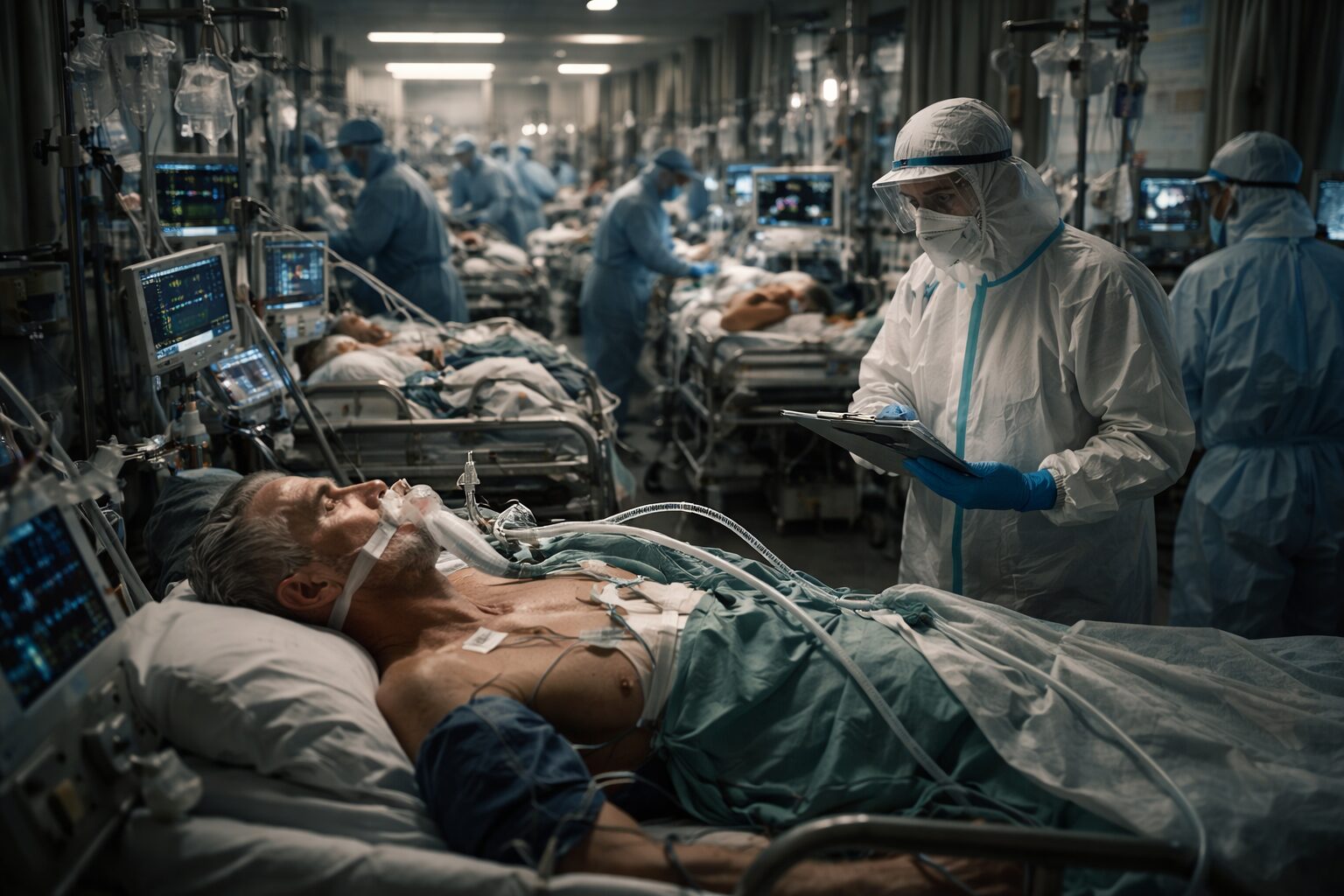
This Was a Choice

The excuses are gone The excuses are gone, by now, reopening without redesign isn’t confusion or improvisation. It is policy. What is happening now is no longer confusion or shock or improvisation. It is not the fog of an unprecedented…
-
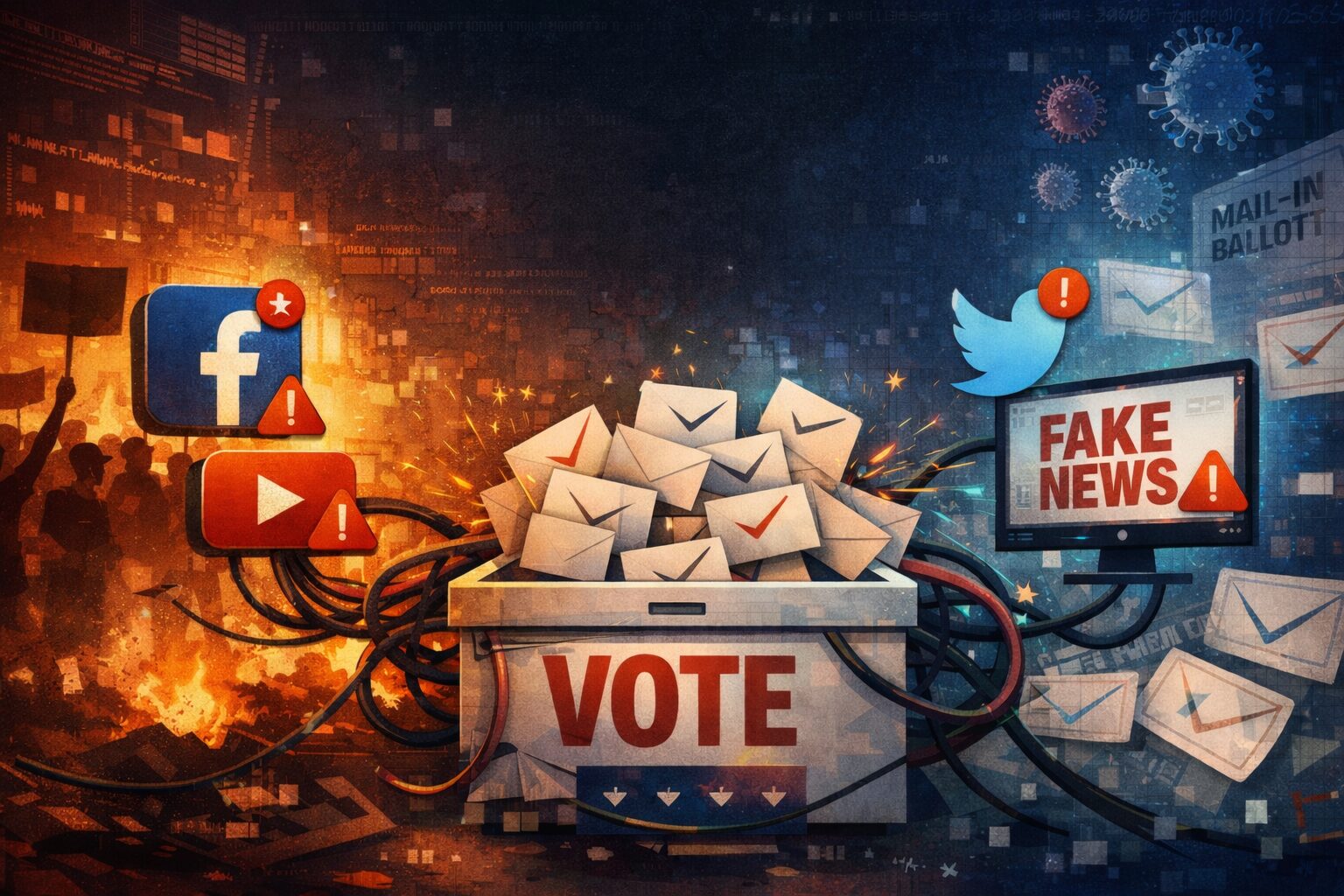
Trust Ships in Boxes
The Postal Service isn’t just delivery. It’s legitimacy. The story being told this month is that the fight is over mail-in ballots. That is true, but incomplete. The deeper fight is over whether the country can still run a basic…
-
The Election Is a Moderation Problem
July feels like a rehearsal for November: the same lies, the same outrage, the same incentive structure. This isn’t just an election year. It’s a content-management crisis with ballots attached.
-
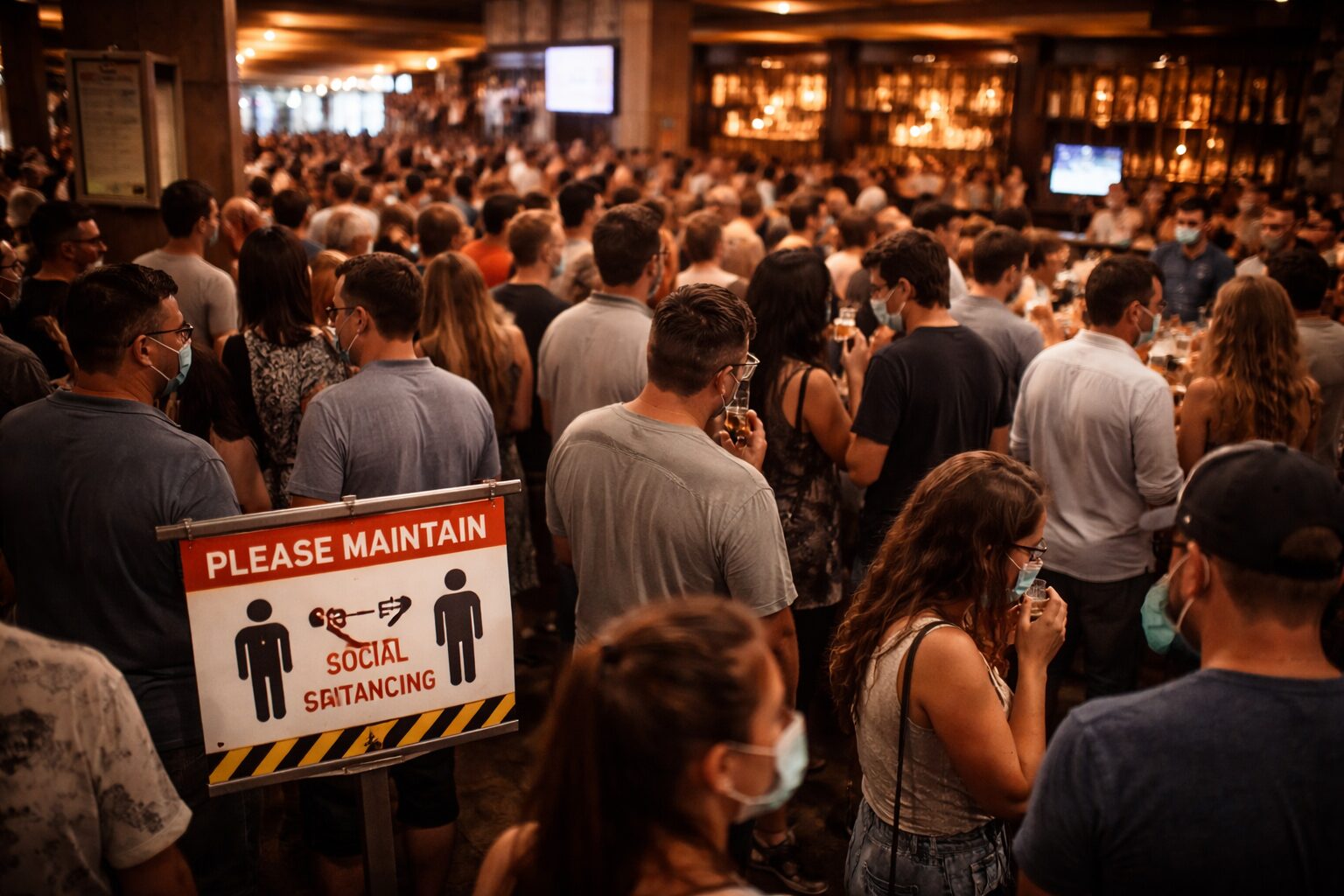
The Restart Is the Risk
Restarting has become the goal, even though the systems being restarted have not been repaired. Speed is replacing caution, and risk is being reframed as resolve.
-
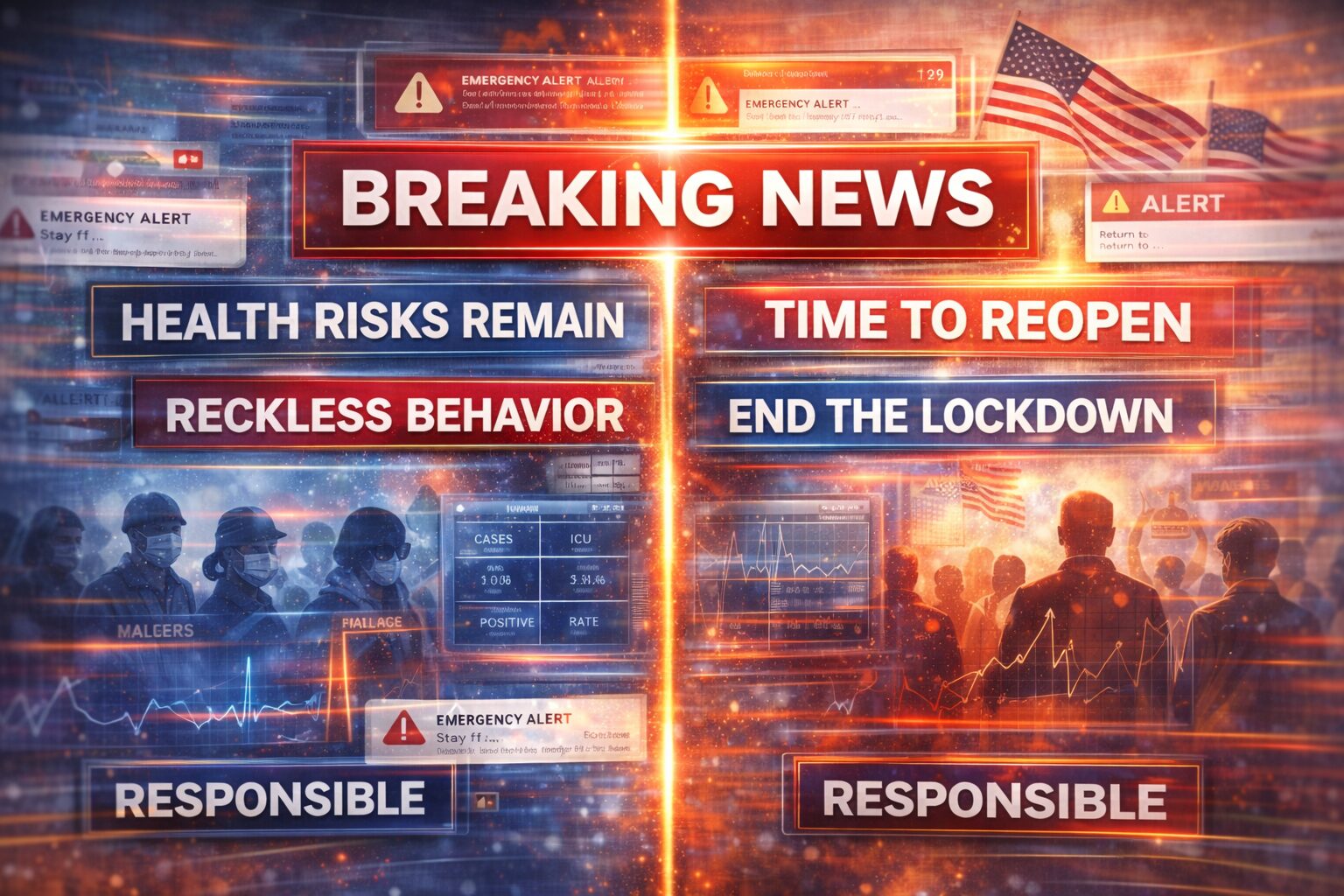
The Shape of the Divide
By July 2020, disagreement stops feeling temporary. Fatigue hardens positions, expertise becomes aligned, and the crisis begins to organize people into lasting divides.
-
The Pause Is Not the Repair
A global slowdown feels meaningful, but pausing a system is not the same as repairing it. What comes next matters more than the stop itself.
-
The Return of Everything at Once
By June 2020, the crisis no longer moves in sequence. Public health, politics, and social unrest collide at once, fracturing attention and testing authority in real time.
-
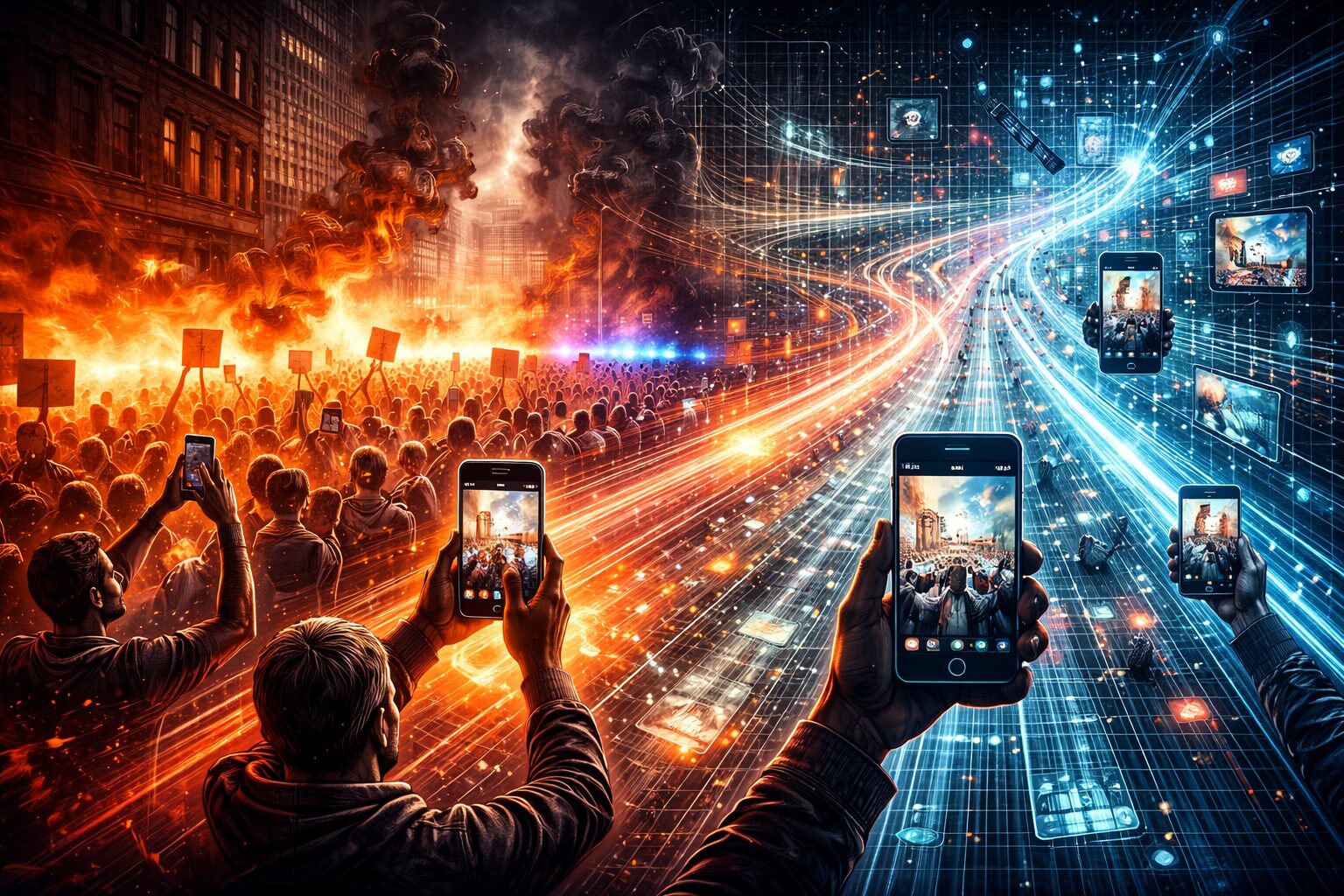
The Street Is an API
June is teaching the country a new truth: power isn’t just who can use force. It’s who can set the story, at scale, fast enough to feel like reality.
-
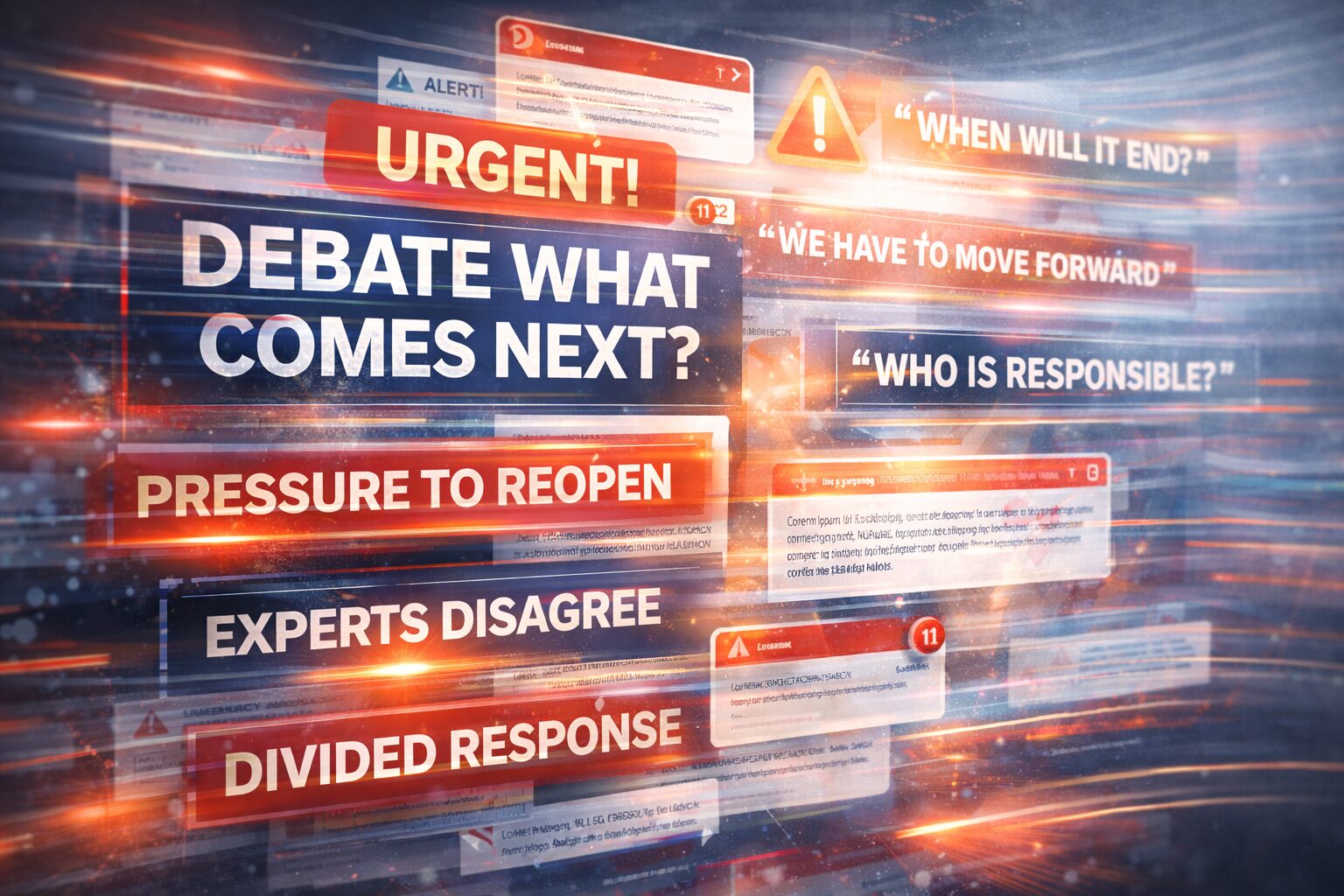
The Argument About What Comes Next
By May 2020, the shock has faded and the argument begins. Reopening, expertise, and “what comes next” are debated before the present has stabilized, turning uncertainty itself into a political battleground.
-
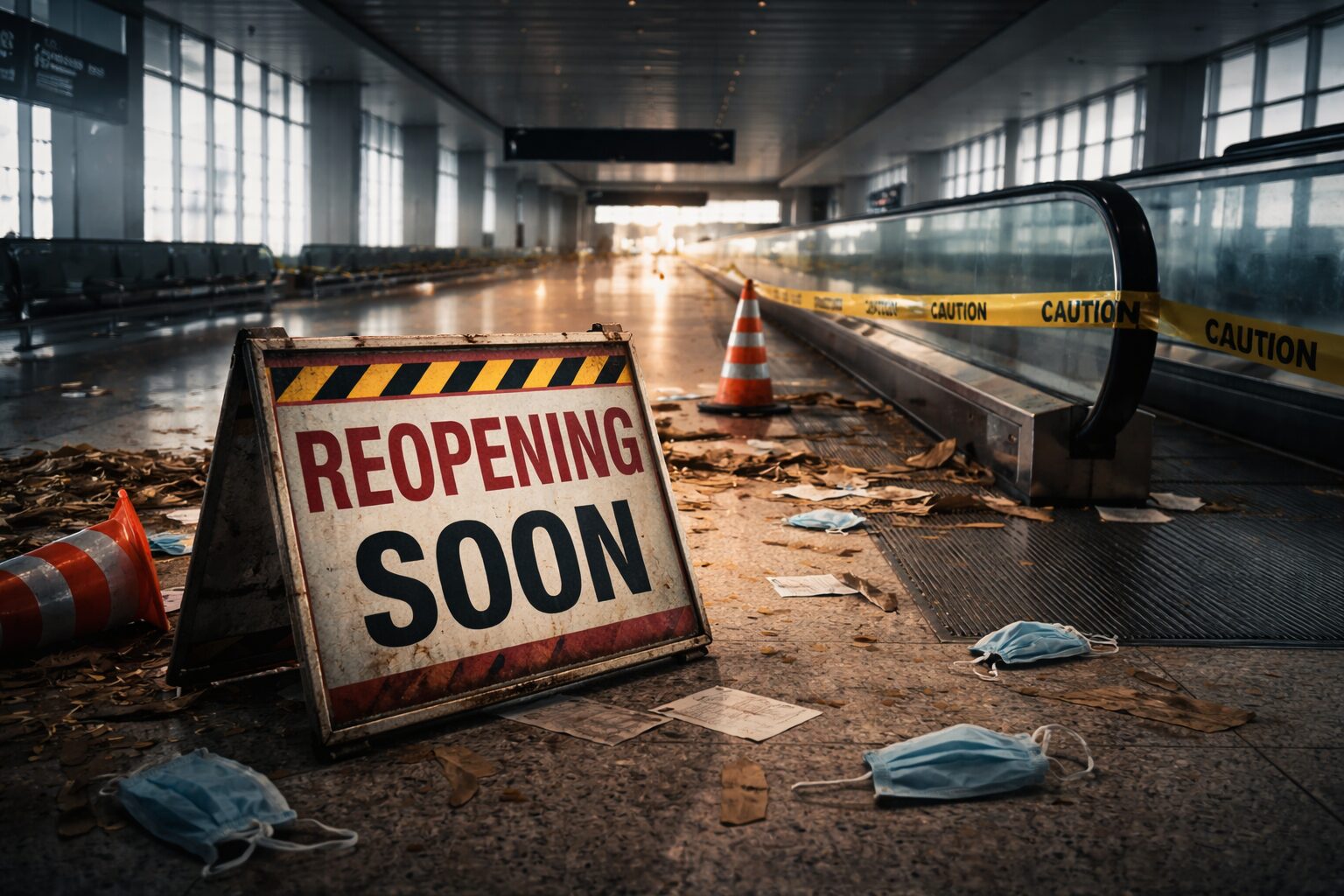
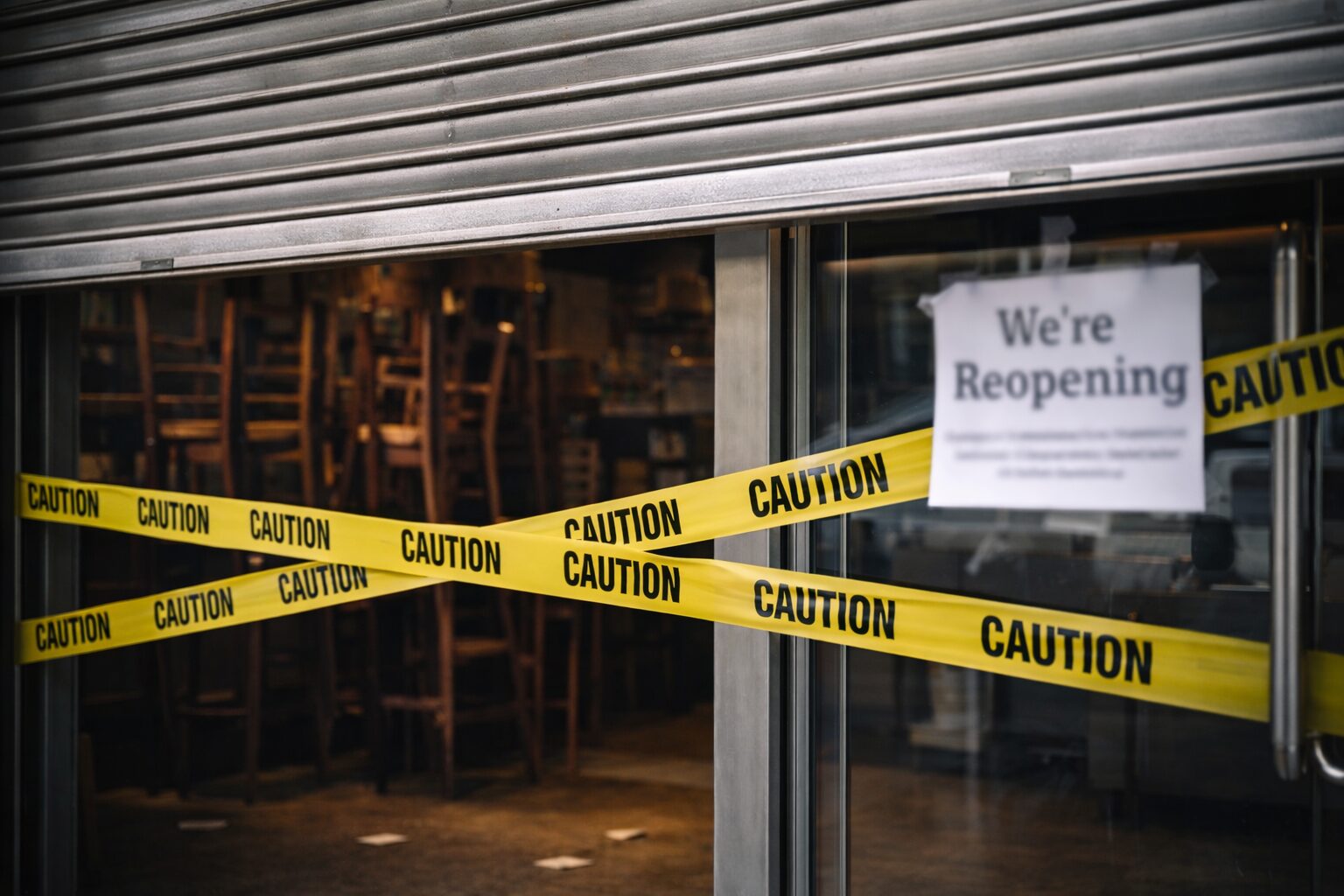
Reopening Without Repair
The push to reopen is real, and so is the pain behind it. But reopening is not a switch. It is an allocation of risk, and without repair, it becomes a transfer of burden onto the least protected. Rules that…
-
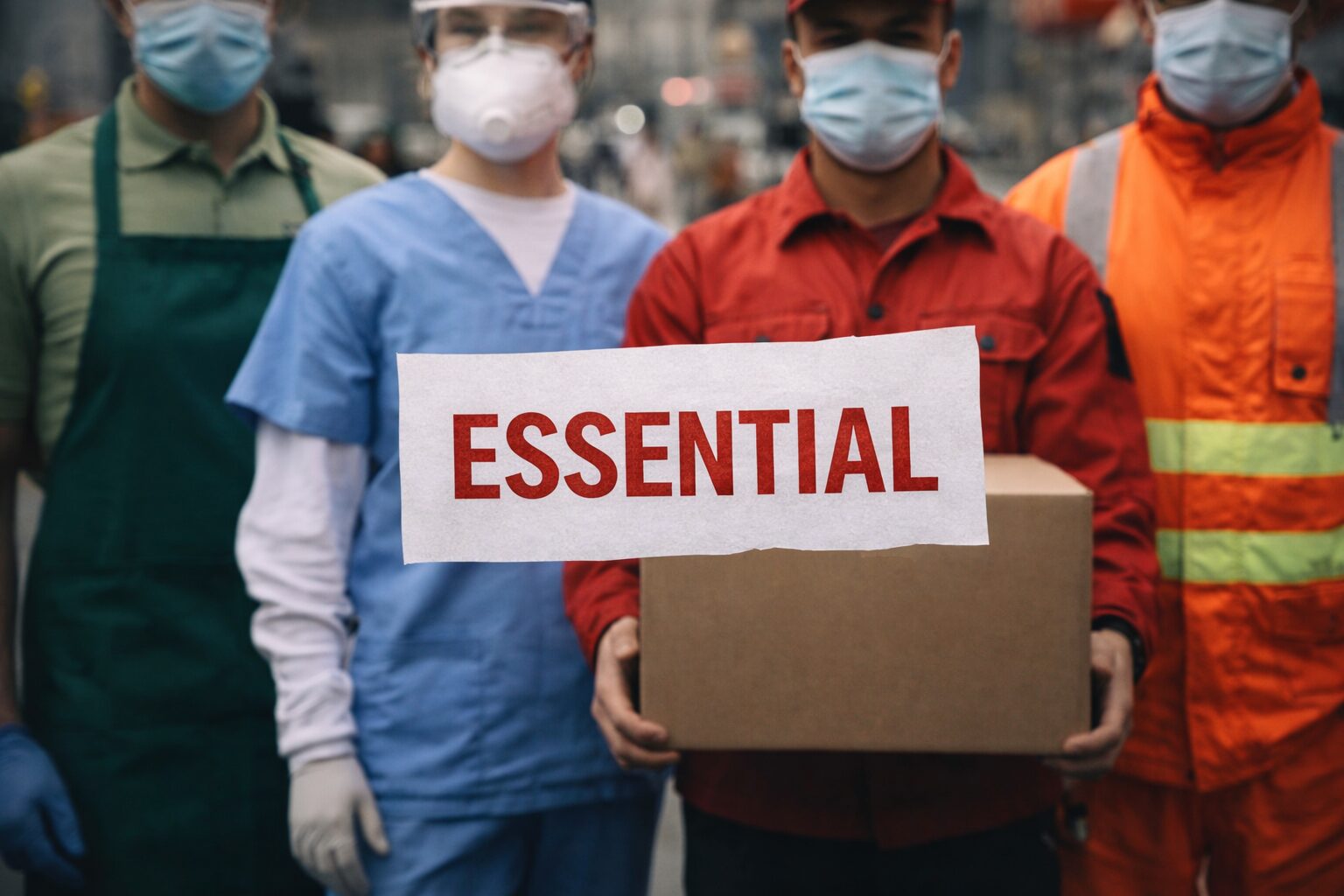
The Essential Illusion
April 2020 turned “essential” into a badge, but too often it functioned as camouflage. Praise and applause can’t substitute for protection, pay, and enforceable safety. The pandemic didn’t invent inequality, it made it impossible to ignore, drawing a brutal line…
-
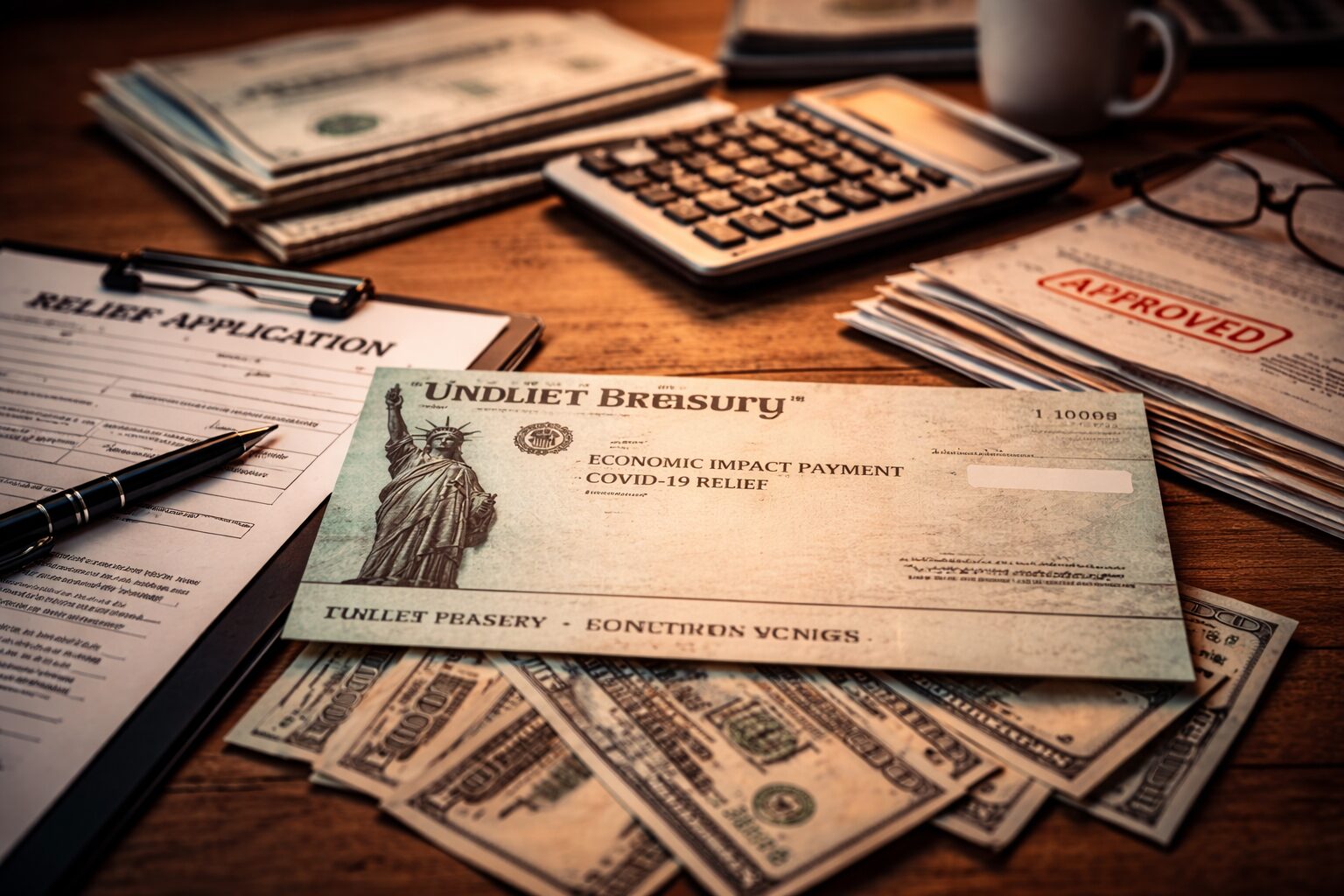
The Stimulus State
April 2020 turns crisis into administration. Relief is not just money, but a promise about who counts, and a test of whether institutions can deliver help with speed, clarity, and accountability. When stimulus becomes branding and oversight becomes “obstruction,” the…
-
The Slow Coup of “So What”
February 2019 is not defined by one scandal, but by a habit: the national shrug. “So what” has become a governing posture, turning oversight into hostility and misconduct into background noise. Democracies don’t fail only through dramatic ruptures. They fail…
-
The Permission Structure of 2020
America didn’t enter 2020 with a reset. It entered with momentum, and momentum is what politics looks like when standards have already been weakened. From escalating conflict abroad to a Senate trial that feels prewritten, the real danger is not…
-
The Center Cannot Hold, but It Can Be Rebuilt
December 2019 closes with the House voting to impeach President Trump and the Senate poised for a trial whose ending seems prewritten. But the real stakes are larger than one outcome. The question is what we will tolerate, what precedents…
-
The Algorithm Is Running for Office
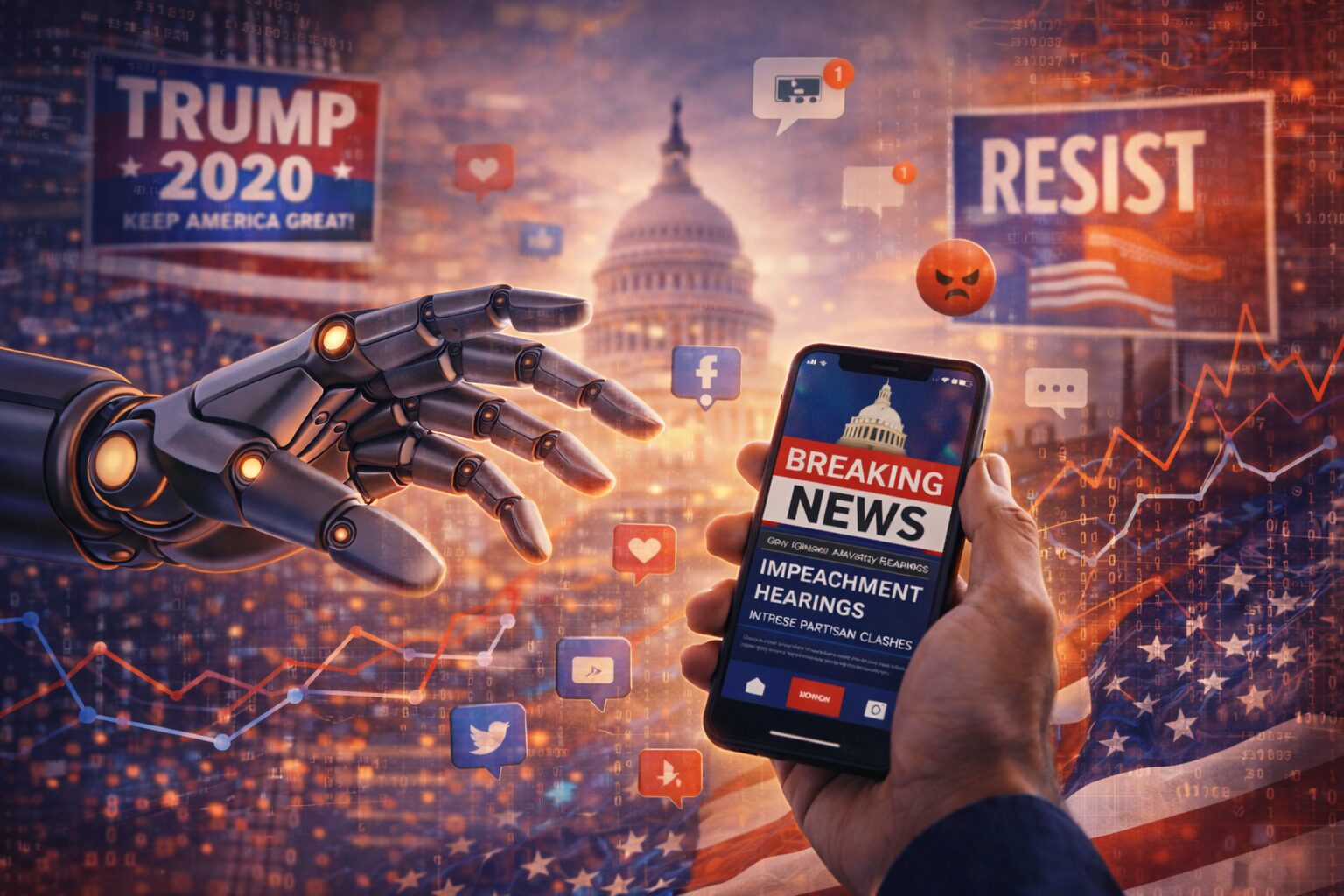
American politics in 2019 is less a town hall and more a group chat with no moderators. Impeachment becomes content, campaigns become mood rings, and every institution gets filtered through the attention economy. The deeper crisis is not just what…
-
The Republic on a Razor’s Edge
America in 2019 feels like a nation trained to react faster than it can reason. Impeachment dominates the headlines, but the deeper crisis is cultural: truth has become tribal, institutions are treated like weapons, and the 2020 race is already…