-

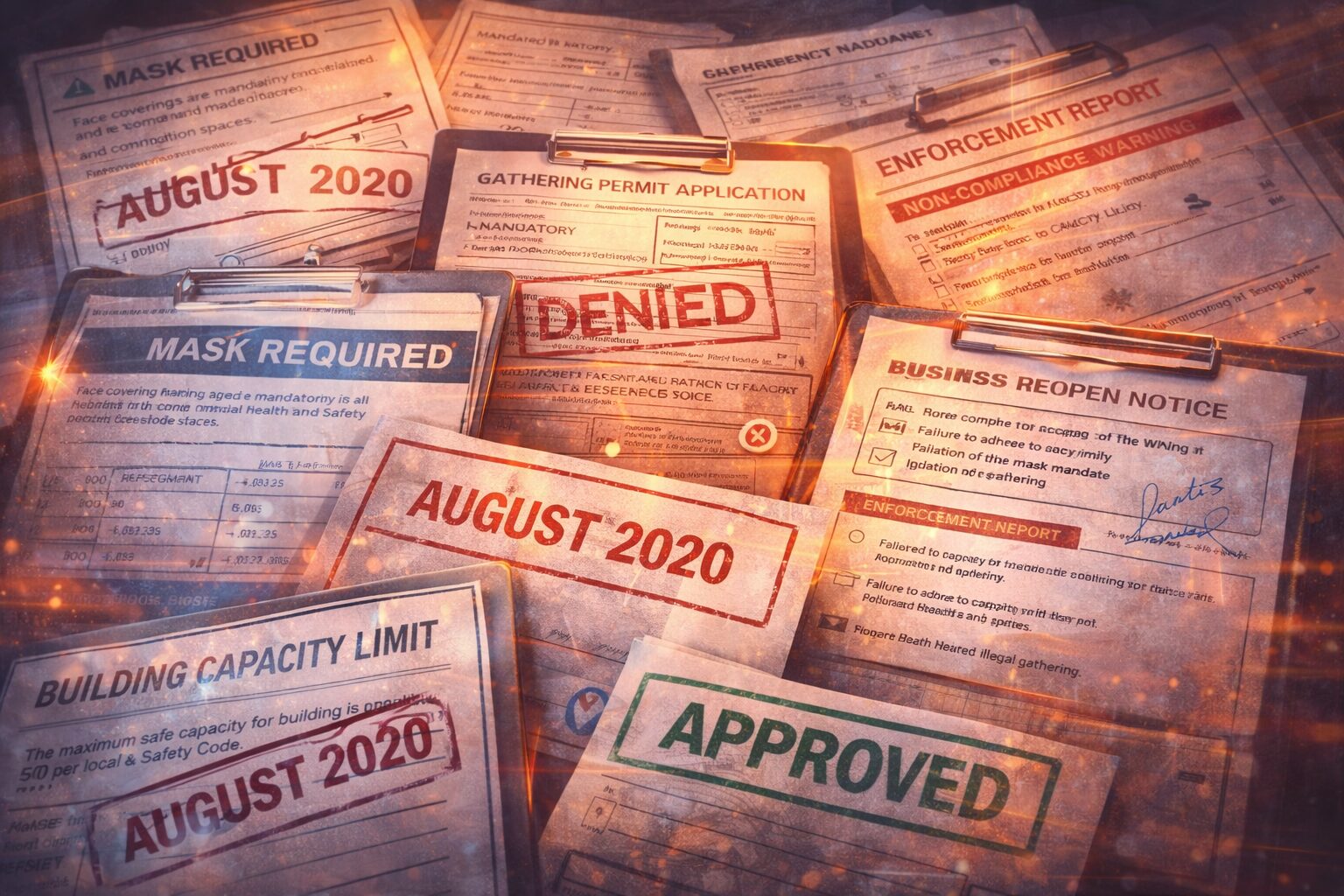
The Rules Harden Quietly

By August 2020, emergency measures no longer feel temporary. Rules harden, enforcement becomes uneven, and governance shifts quietly from persuasion to administration.
-
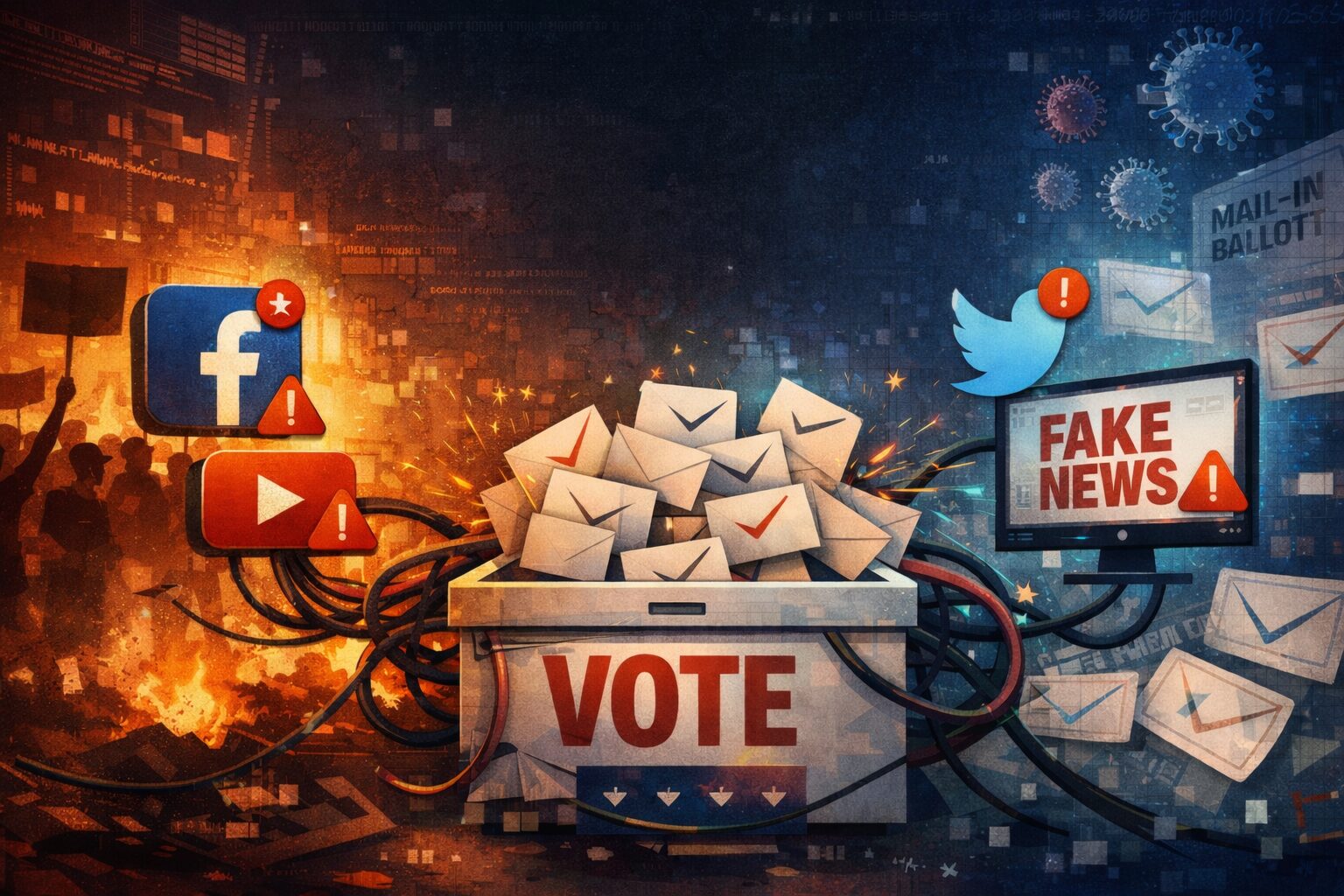
Trust Ships in Boxes
The Postal Service isn’t just delivery. It’s legitimacy. The story being told this month is that the fight is over mail-in ballots. That is true, but incomplete. The deeper fight is over whether the country can still run a basic…
-
The Election Is a Moderation Problem
July feels like a rehearsal for November: the same lies, the same outrage, the same incentive structure. This isn’t just an election year. It’s a content-management crisis with ballots attached.
-
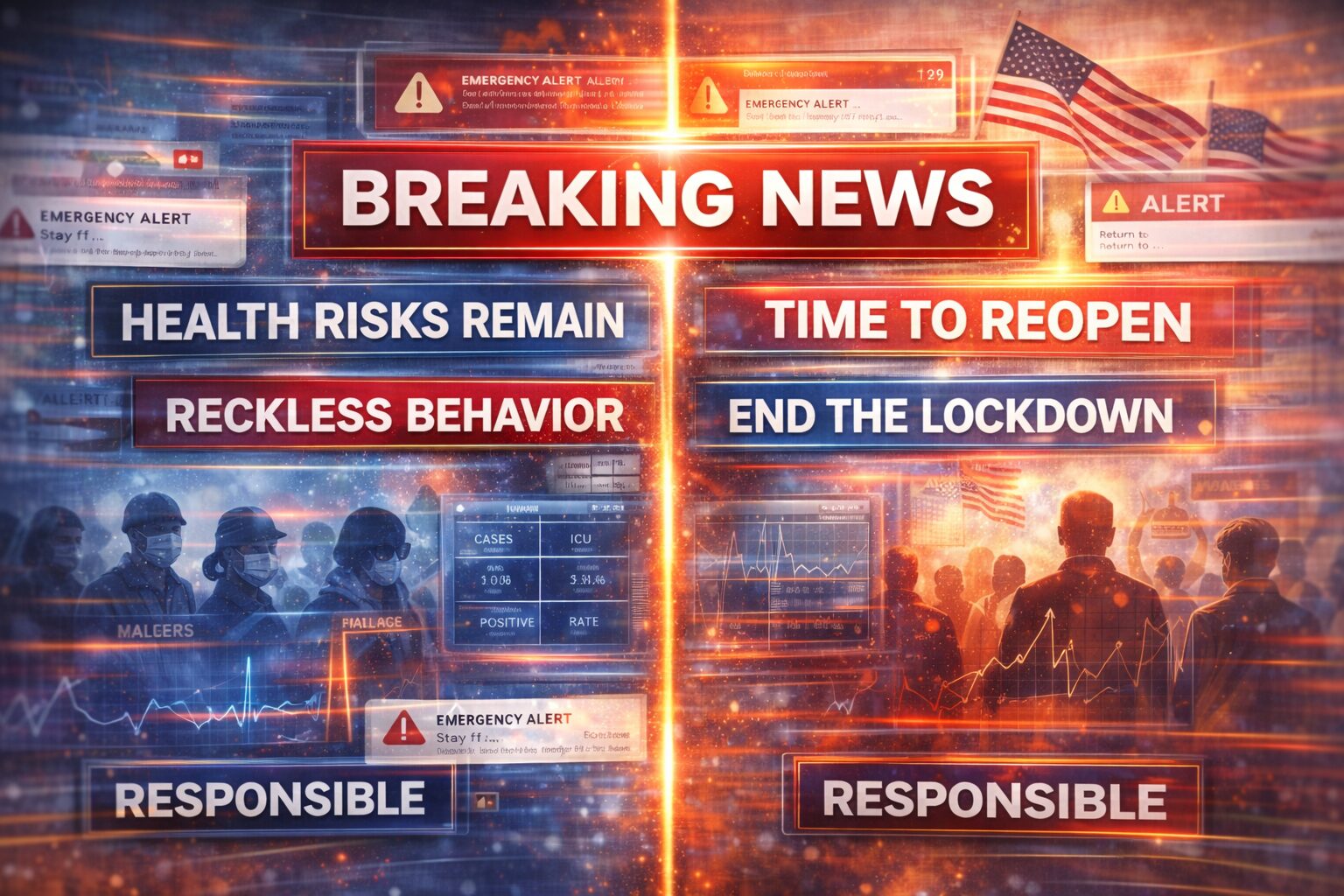
The Shape of the Divide
By July 2020, disagreement stops feeling temporary. Fatigue hardens positions, expertise becomes aligned, and the crisis begins to organize people into lasting divides.
-
The Return of Everything at Once
By June 2020, the crisis no longer moves in sequence. Public health, politics, and social unrest collide at once, fracturing attention and testing authority in real time.
-
The Street Is an API
June is teaching the country a new truth: power isn’t just who can use force. It’s who can set the story, at scale, fast enough to feel like reality.
-
The Argument About What Comes Next
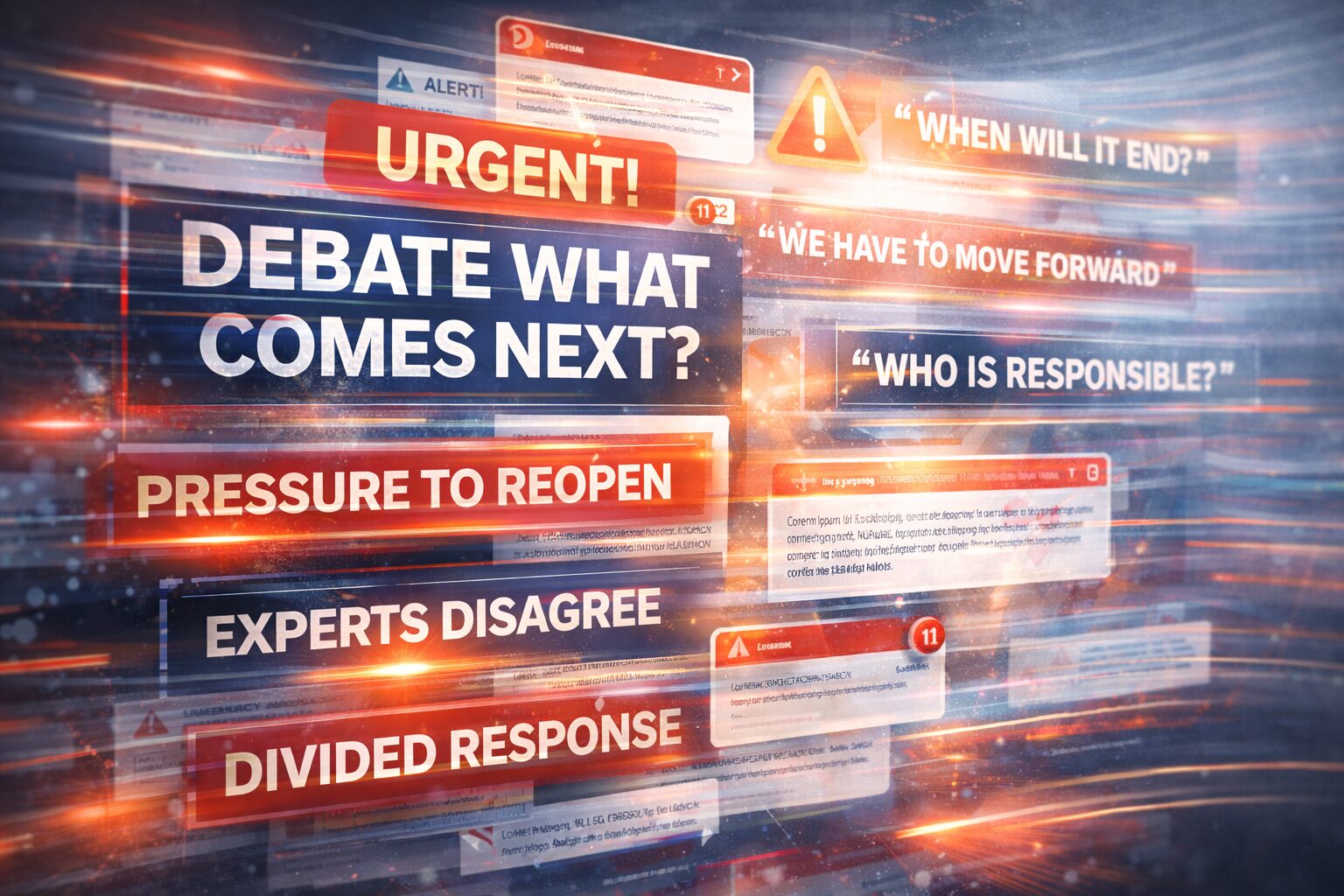
By May 2020, the shock has faded and the argument begins. Reopening, expertise, and “what comes next” are debated before the present has stabilized, turning uncertainty itself into a political battleground.
-
The Stimulus State
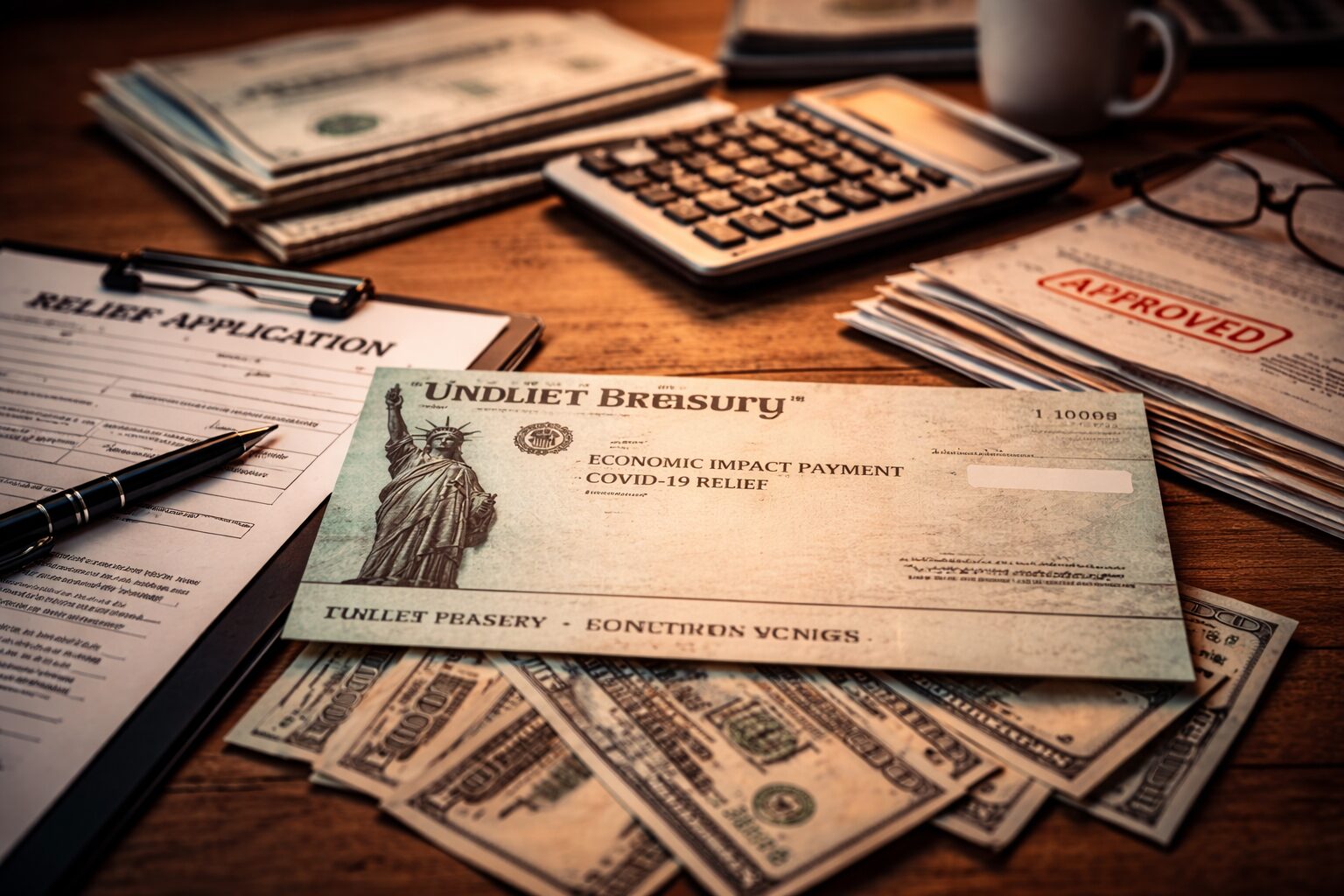
April 2020 turns crisis into administration. Relief is not just money, but a promise about who counts, and a test of whether institutions can deliver help with speed, clarity, and accountability. When stimulus becomes branding and oversight becomes “obstruction,” the…
-
When Everything Speeds Up at Once
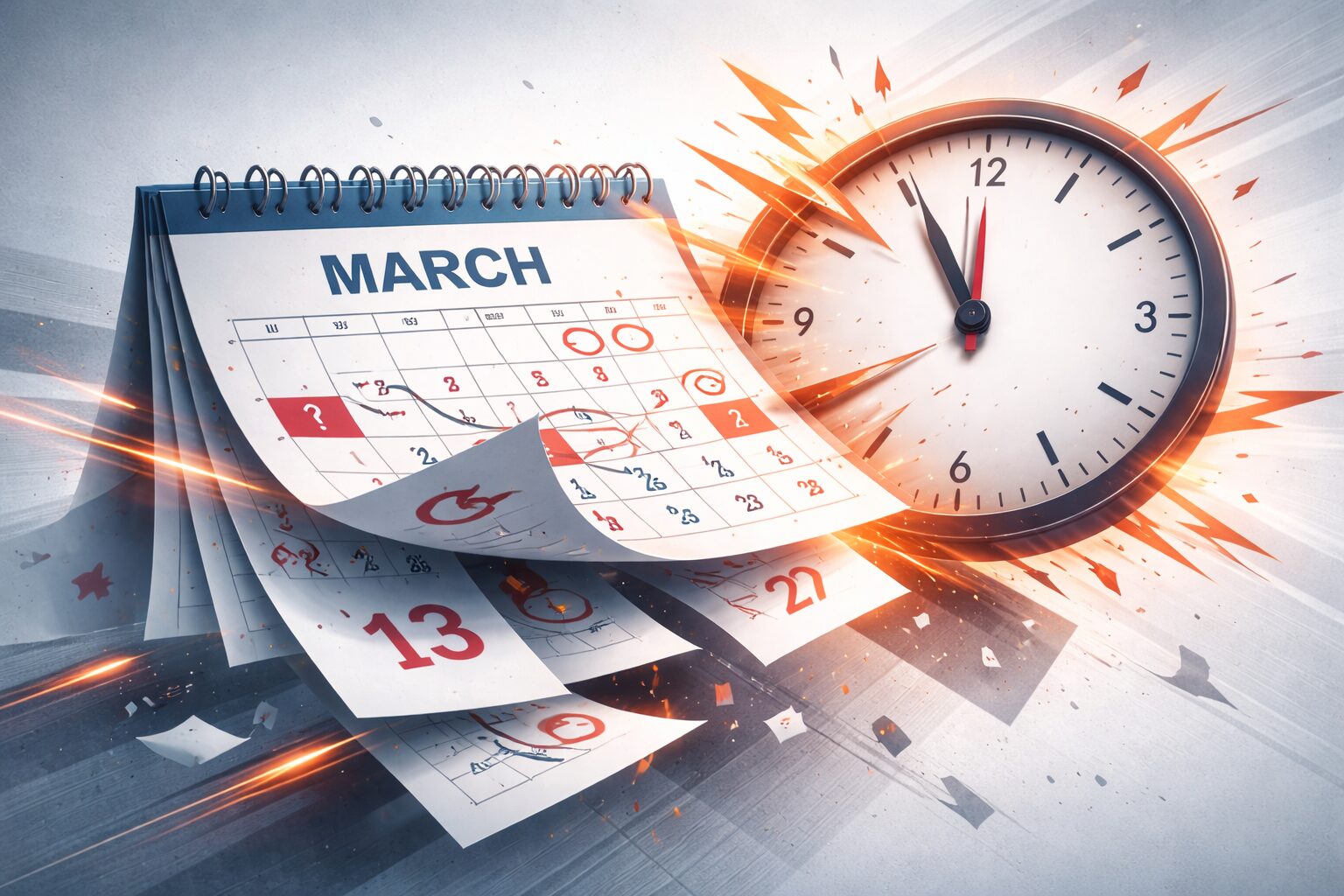
March 2020 breaks the calendar. Systems show their seams, authority fragments under pressure, and private life becomes political overnight, while language struggles to keep up with events unfolding in real time.
-

The Two-Minute Hate Scroll
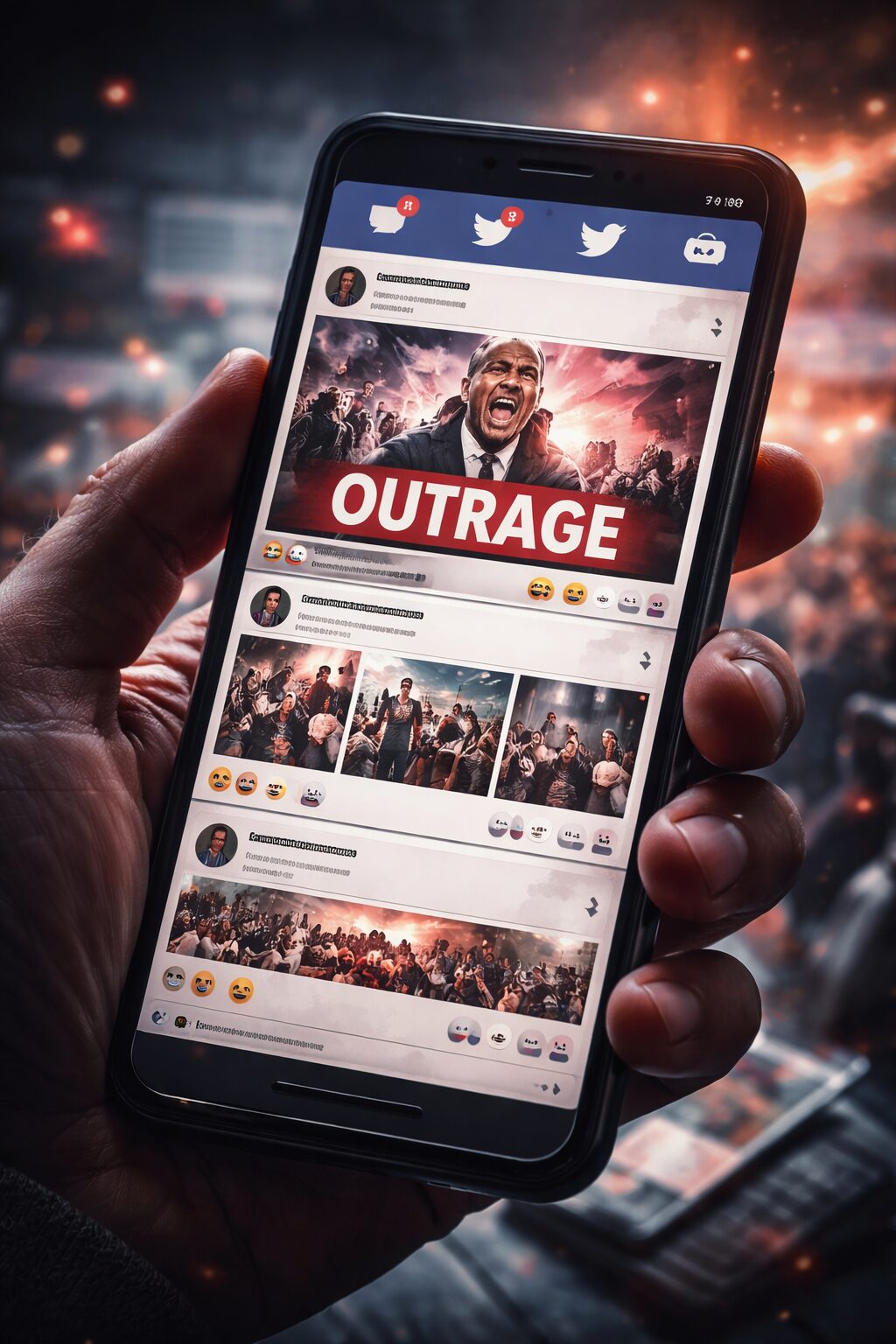
February 2020 doesn’t feel heavy only because the news is heavy. It feels heavy because the interface is. The feed delivers politics as a reflex, preloading judgment, manufacturing urgency, and turning outrage into a daily ritual that fits neatly into…
-
The Pause Before the Headline
In February 2020, politics still feels noisy but containable. Risk is theoretical, systems are abstract, and attention is treated as infinite, right up until the month becomes a threshold.
-
Notification Nation
In January 2020, politics doesn’t arrive as a newspaper or an evening broadcast. It arrives as a push alert. The attention economy has reshaped civic life into an endless stream of click-shaped urgency, rewarding visibility over integrity and reaction over…
-
The Year the Feed Learned Your Triggers
December 2019 closes with impeachment, primaries, and a country that feels permanently on edge. But the deeper story isn’t just what happened. It’s how the feed trained us to consume politics in fragments, perform identity, and treat constant emergency as…
-
The Algorithm Is Running for Office
American politics in 2019 is less a town hall and more a group chat with no moderators. Impeachment becomes content, campaigns become mood rings, and every institution gets filtered through the attention economy. The deeper crisis is not just what…
-
How Politics Slowed Down Before It Broke
An explainer on why political systems felt increasingly slow and unresponsive in late 2019, and how institutional drag shaped public trust before crisis hit.