

The excuses are gone
The excuses are gone, by now, reopening without redesign isn’t confusion or improvisation. It is policy.
What is happening now is no longer confusion or shock or improvisation. It is not the fog of an unprecedented moment. We know what this virus does. We know how it spreads. We know which systems are brittle and which protections work.
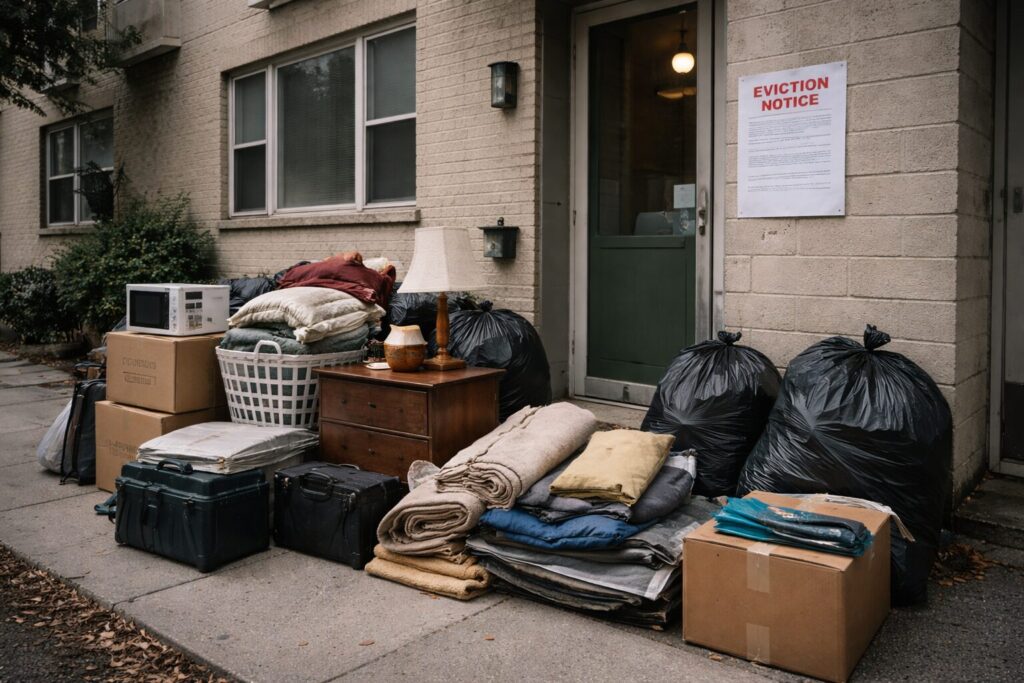
And yet, what remains is not uncertainty. It is will.
If reopening has started to feel like theatre in places, that’s part of the mechanism – see: The Great Reopening Performance.
The consequences arrived on schedule
The consequences did not arrive suddenly. They arrived on schedule.
The failures piling up across institutions are being described as inevitabilities. As tragic outcomes no one could have predicted or prevented. This framing is dishonest. The conditions producing these outcomes were identified months ago. The warnings were public. The options were available.
They were rejected.
Reopening without redesign was chosen
Reopening without redesign was not forced. It was chosen. Deferring consequences instead of absorbing them was not unavoidable. It was chosen. Treating caution as weakness and restraint as obstruction was not accidental. It was chosen.
These were policy decisions.
And once the restart becomes the goal, risk gets laundered as “momentum” – see: The Restart Is the Risk.
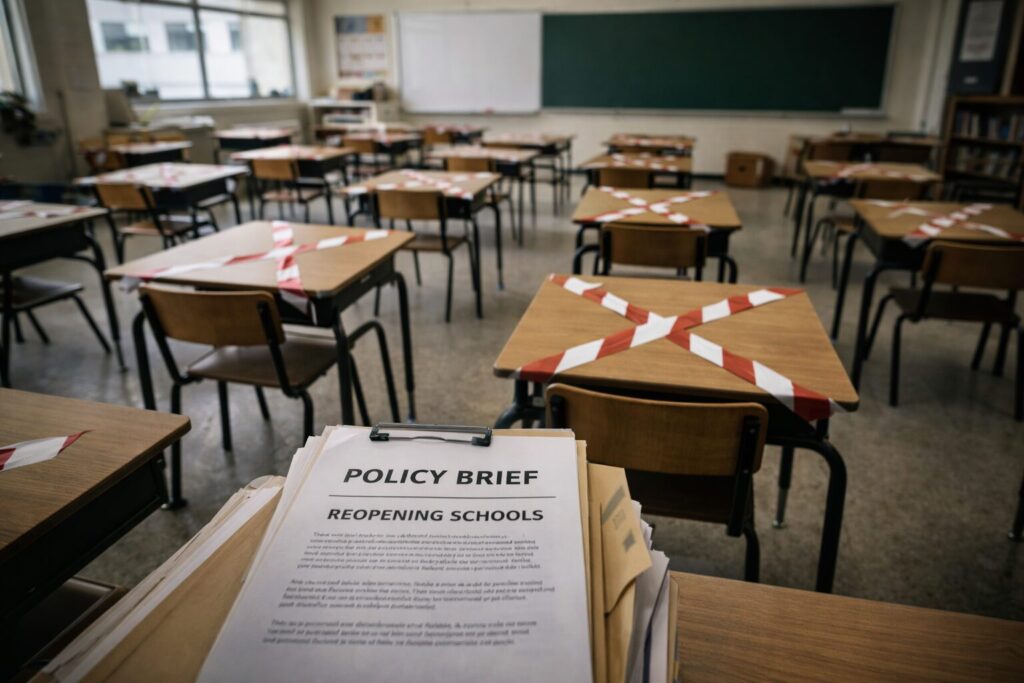
How responsibility gets blurred
There is a persistent attempt to blur responsibility by invoking scale. To suggest that because the problem is large, no individual decision matters. This is convenient, but false. Large failures are built from small permissions granted again and again.
Permission is the mechanism
Permission to prioritize speed.
And permission to externalize risk.
Finally, permission to accept casualties as a cost of normalcy.
By August, we are no longer watching systems strain. We are watching them shed obligations. Who is protected becomes narrower. Who is exposed becomes predictable. The language shifts accordingly. Words like sacrifice and resilience are deployed to describe what is, in practice, abandonment.
This is not resilience. Resilience implies adaptation. What we are seeing is persistence without adjustment. The insistence that systems keep running, even when running causes harm.
That insistence benefits someone.
It is not the people whose jobs cannot be done safely. It is not the families absorbing loss quietly. It is not the workers asked to accept risk without consent or compensation. It is the institutions that avoid accountability by calling outcomes unavoidable.
The most corrosive idea circulating right now is that responsibility ends at authorization. That if an action is permitted, its consequences belong to chance rather than choice. This is how power hides itself. By framing decisions as neutral and outcomes as natural.
They are neither.
The story hardens
August is when the narrative hardens. When the story shifts from emergency to endurance. When suffering becomes background noise and policy calcifies around it. That transition is not subtle. It is administrative. It happens through memos, guidance updates, and silence.
Silence is the tell.
Silence after warnings.
Then silence after projections.
And silence after preventable harm.
This was a choice – and choices can be judged
This was not an accident. It was not fate. It was not the virus acting alone.
This was a choice.
And choices can be judged.
Leave a Reply