

The language has shifted.
We are no longer talking about safety or stability. We are talking about momentum. About reopening timelines. About confidence. About getting things moving again.
Movement has become the goal.
This is how risk gets laundered.
What is being sold as recovery is, in practice, acceleration without correction. The same systems that failed under strain are being asked to perform again, faster this time, and with fewer excuses. The pause was brief. The lessons were shallow. The pressure is back.
In some places, it never left.
The idea that restarting is inherently stabilizing has taken hold. That motion itself produces order. That if enough people return to work, to travel, to spend, the damage will sort itself out. This is not an argument. It is a hope dressed up as policy.
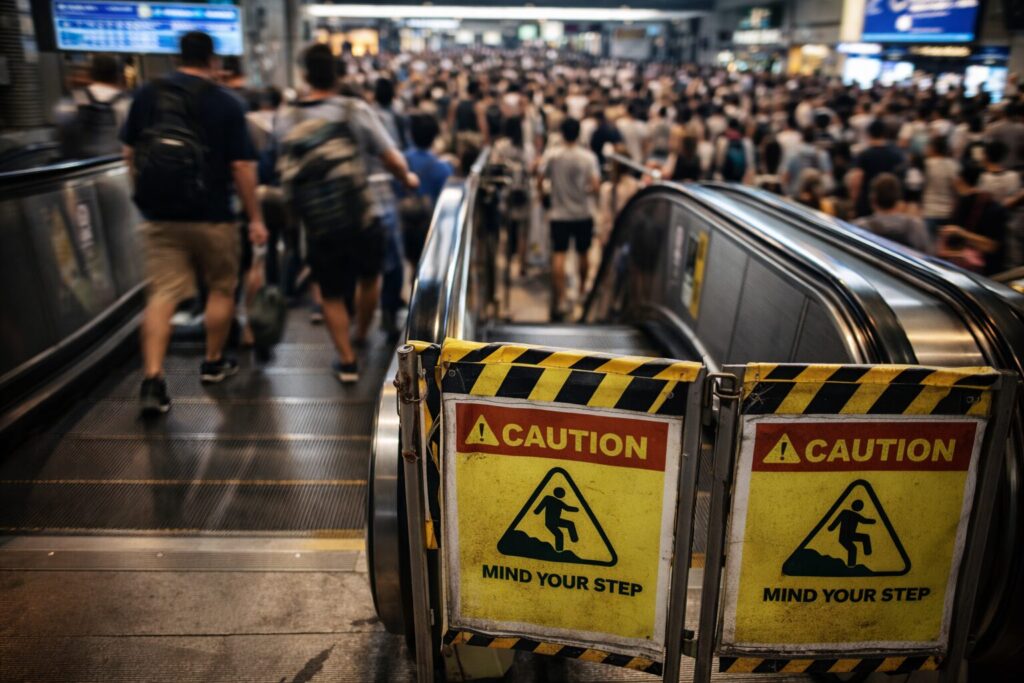
The incentives did not change during the shutdown. They hardened.
Debt accumulated. Deadlines stacked. Temporary protections created cliffs instead of solutions. The cost of delay did not disappear. It concentrated. Now, as reopening accelerates, those costs are being released all at once.
We are calling this resilience.
What it actually looks like is fragility under speed.
There is a growing hostility toward caution. Toward restraint. Toward anyone who suggests that restarting might require redesign. These voices are framed as obstacles. As pessimists. As enemies of progress. The demand is not for plans, but for permission.
Permission to proceed as before.
The most dangerous assumption right now is that failure will announce itself clearly. That breakdown will be dramatic. That warning signs will be obvious. In reality, systemic failure usually looks like partial function. Like things mostly working, except for the people they no longer serve.
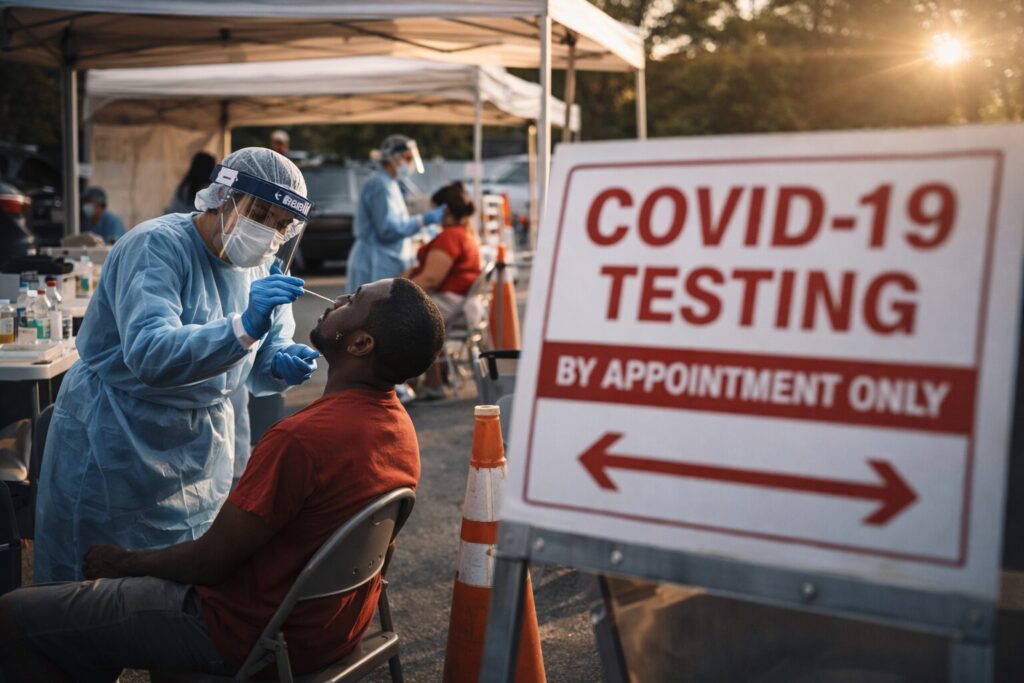
A business that reopens but cannot protect its workers.
A school that resumes but cannot adapt.
A government that acts but cannot explain.
None of this feels like collapse. It feels like compromise. And compromise is how unstable systems survive just long enough to become permanent.
There is a temptation to frame July as a turning point. A moment when resolve replaces fear. When the worst is behind us. But resolve without repair is just insistence. It does not strengthen anything. It only narrows the margin for error.
What worries me is not that we are restarting too slowly.
It is that we are restarting without admitting what broke.
If the pause exposed weakness, the restart will test it. And tests do not care about optimism. They only care about structure.
Right now, we are betting that movement will compensate for design.
That is not a recovery strategy.
It is a gamble.
Leave a Reply