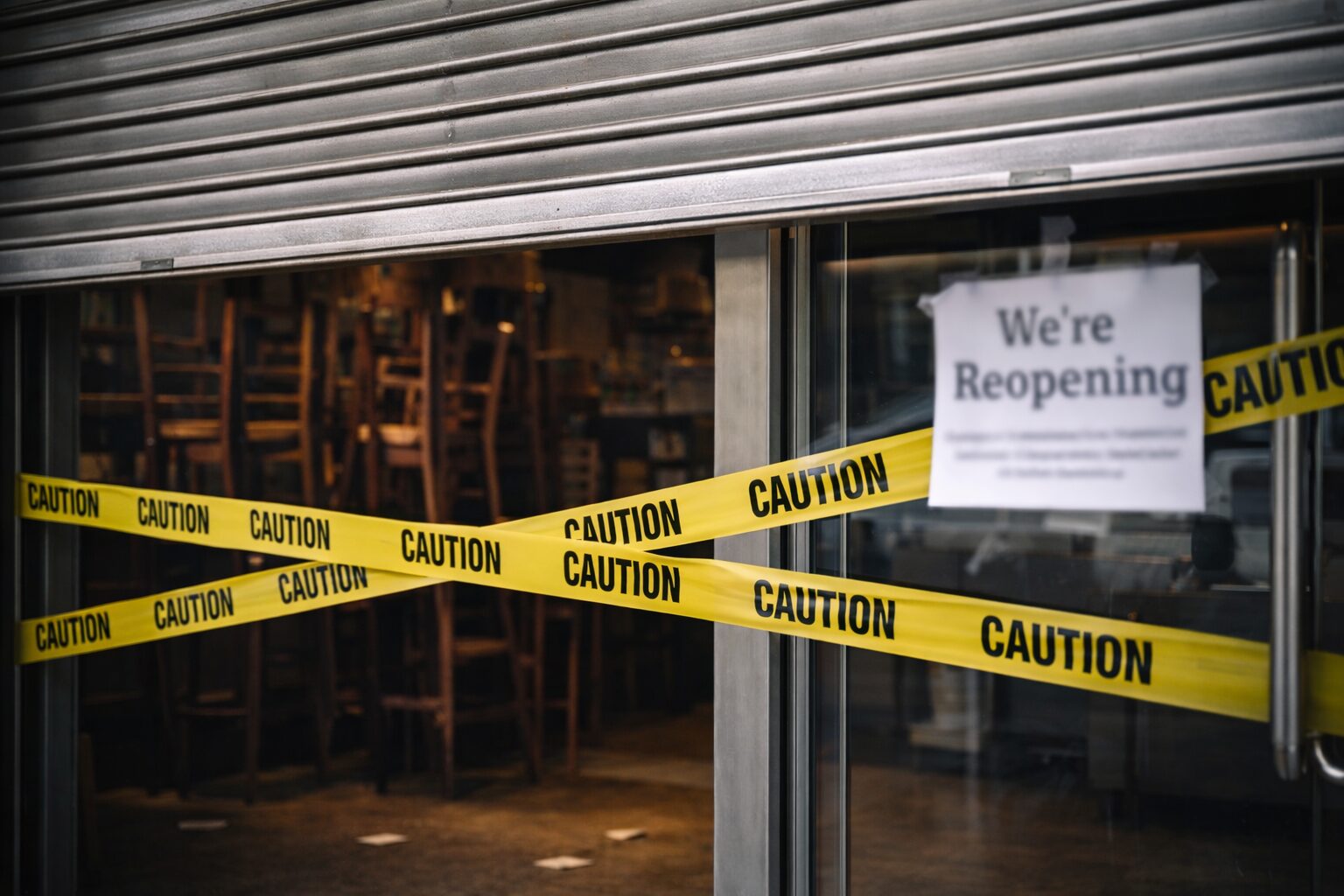
They want the lights back on.
Not metaphorically. Literally. Storefronts, schools, restaurants, offices. The machines that make daily life feel normal are being asked to restart, and the request is coming with a familiar American impatience. Enough already. We tried. We’re done. Let people work.
The pressure is real. The costs of closure are real. They are not distributed evenly, which is why this debate is so combustible. Some people argue from a position of savings and square footage. Others argue from the edge of rent. Many argue from exhaustion. All of it is understandable.
What is not understandable is the fantasy that reopening is a switch.
A switch turns on power. It does not rebuild a grid.
Normal was already failing
“Back to normal” is not a plan. It is nostalgia.
Normal was a health system that ran on thin margins and buckled under stress. Normal was an economy that treated millions of households as disposable, one missed paycheck away from collapse. Normal was a workforce praised as essential and managed as replaceable. Normal was the steady erosion of competence, followed by contempt for the institutions that had been hollowed out.
The crisis did not invent these conditions. It exposed them.
If the country treats reopening as a sprint back to what existed before, it is not recovering. It is resuming.
Reopening is an allocation of risk
The argument is often framed as freedom versus fear. That framing is convenient and dishonest.
The real question is responsibility.
Who bears the risk. Who absorbs the cost. Who gets to decide. Who gets to stay safe. Who has the power to enforce rules. Who is punished for breaking them. Who is blamed when the predictable happens.
A reopening plan is not a motivational slogan. It is a distribution of hazard across a population that does not share the same protections.
And because American political culture is trained to treat risk as a personal preference, the debate is filled with moral shortcuts. If you are afraid, stay home. If you want to work, go work. If you are vulnerable, protect yourself.
It sounds like choice. It is not.
A virus does not respect personal boundaries. The decisions of one person become the conditions of another. That is the nature of contagion and the nature of shared space. Treating reopening like a menu is a guarantee that the bill will be paid by people who never ordered.
Rules that are not enforced are theatre
The country is about to be flooded with guidelines. Some will be thoughtful. Many will be vague. Most will be treated as suggestions.
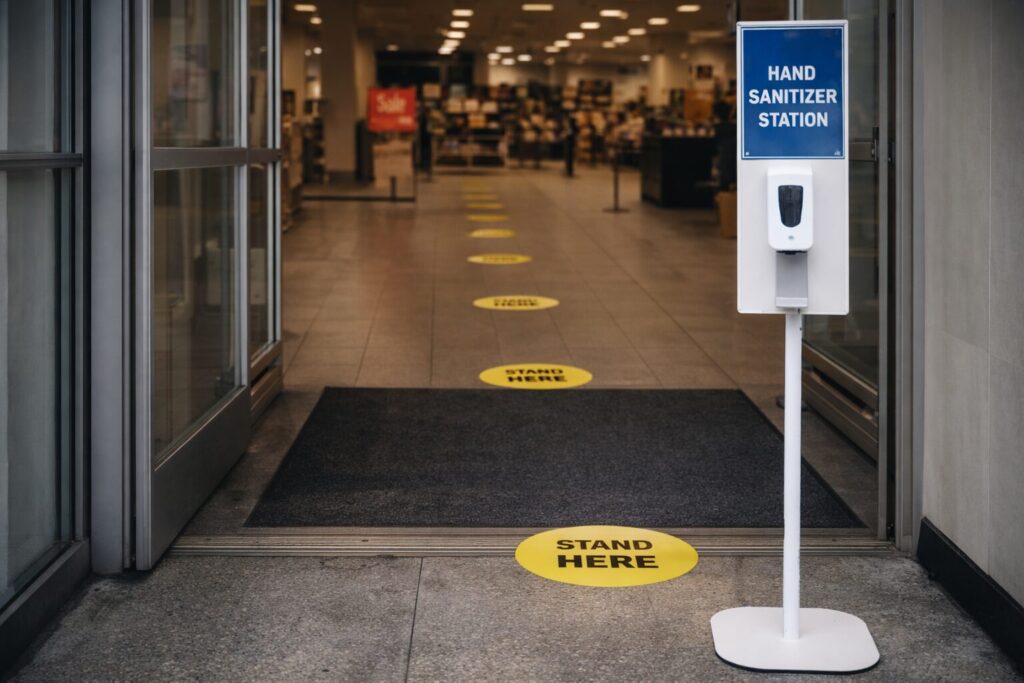
This is the oldest American trick. Announce standards, then behave as if standards are optional.
Public health is not a vibe. It is coordination. It is compliance. It is the unglamorous work of rule-making and the uglier work of enforcement.
When rules are not enforced, the public learns that rules are performative. Compliance becomes ideology. Businesses are forced into conflict with customers. Workers are asked to police strangers while being paid as if they are interchangeable.
That is not reopening. That is offloading governance onto the lowest rung of society.
A republic that cannot enforce its own standards will always end up enforcing them selectively. Selective enforcement is where legitimacy goes to die.
The second crisis is trust
Even if infection rates flatten, something else has been damaged: the basic belief that institutions mean what they say.
Trust is built when messaging is coherent. When sacrifices are shared. When rules are fair. When leaders tell the truth, even when it is inconvenient. When experts are allowed to be experts without being treated as partisan mascots.
Trust collapses when guidance changes without explanation. When power treats science as optional. When the public is asked to risk itself for the economy while the powerful remain insulated from consequence.
A reopening plan that ignores trust will produce compliance only through force. Force can move bodies. It cannot build legitimacy.
Freedom without duty is a slogan
America loves the language of freedom. It is everywhere now.
But freedom without duty is not a civic virtue. It is a marketing line.
A democracy survives because people accept obligations to one another, obligations that cannot be enforced by law alone. In a public health emergency, that obligation looks like restraint. It looks like inconvenience. It looks like behaving as though strangers are real.
The most corrosive idea in this moment is that obligation is tyranny. That caring for other people is submission. That the only meaningful liberty is the liberty to ignore consequences.
That is not liberty. That is license.
Repair is the prerequisite
The choice is not reopening or lockdown forever. The choice is reopening with repair or reopening without it.
Repair means systems that can test and trace. Repair means clear rules explained honestly. Repair means protections for workers so they are not forced to choose between safety and survival. Repair means resources for schools and public agencies. Repair means leadership that treats the public as adults.
Repair also means admitting something Americans dislike saying out loud. The costs of this crisis are not shared. If reopening becomes a demand that the vulnerable absorb the risk so the comfortable can resume convenience, the country will call that freedom, but history will call it something else.
The question that matters
A society can restart its economy.
It cannot restart its legitimacy so easily.
That legitimacy depends on a simple question, one the country avoids because the answer requires discomfort.
What do we owe each other.
Not as sentiment. As structure. As policy. As enforcement. As pay. As protection. As honesty.
If the answer is “not much,” then reopening will be swift, chaotic, and unfair, and the country will mistake that chaos for courage.
If the answer is “enough to be inconvenienced,” then reopening might be slower, and it might be safer, and it might rebuild something more valuable than commerce.
A republic does not fail only from catastrophe.
It fails when it decides that repair is optional.
Leave a Reply